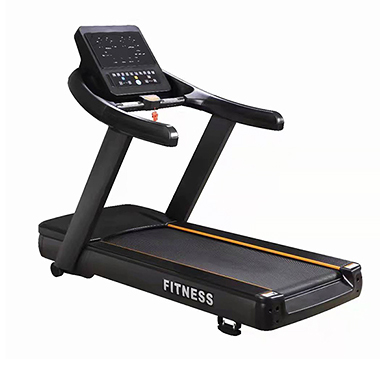
When gym owners invest in equipment, commercial treadmills stand out as a non-negotiable. Unlike residential models, these machines are engineered to meet the rigorous demands of busy fitness centers, where dozens of users log hours daily. But what exactly makes them the preferred choice? Let’s break down their core advantages.

Built for Heavy-Duty Use
Durability is the cornerstone of commercial treadmills. They’re constructed with reinforced steel frames, industrial-grade motors, and thick running belts designed to withstand continuous use. Residential treadmills, by contrast, often struggle under frequent workouts, leading to premature wear and costly repairs. For gyms, where downtime equals lost revenue, this ruggedness ensures reliability—even during peak hours when multiple users hop on back-to-back.
Superior Performance Metrics
Serious athletes and casual gym-goers alike demand consistent performance, and commercial treadmills deliver. They offer higher maximum speeds and steeper incline ranges , catering to intense interval training, hill simulations, and endurance workouts. Advanced cushioning systems, like shock absorption technology, reduce joint impact, making long runs more comfortable—a key feature that keeps members coming back. Residential models rarely match these specs, limiting workout versatility.
User-Centric Design
Commercial treadmills prioritize user experience. They feature spacious running decks (60+ inches in length) to accommodate various strides, intuitive touchscreens with pre-programmed workouts, and heart rate monitors. Many also include entertainment options like Bluetooth connectivity or built-in TVs, enhancing member satisfaction. For gyms, keeping users engaged directly boosts retention—a critical metric in a competitive industry.

Safety and Compliance
Gyms must adhere to strict safety standards, and commercial treadmills are designed with this in mind. They include emergency stop buttons, non-slip surfaces, and stable handrails to prevent accidents. Additionally, reputable brands undergo rigorous testing to meet industry certifications, ensuring they can handle the weight and movement of diverse users. Residential models, while safe for home use, often lack these robust safety features.
Cost-Effectiveness in the Long Run
While commercial treadmills have a higher upfront cost, they prove cheaper over time. Their longevity reduces replacement frequency, and many come with extended warranties that cover parts and labor. Residential treadmills, with shorter lifespans and limited warranties, can end up costing more due to frequent repairs or replacements—especially in a high-traffic gym setting.
Why Gyms Can’t Compromise
For gym owners, equipment is an investment in their business’s reputation. Commercial treadmills signal quality, attracting members who expect top-tier tools to reach their fitness goals. They minimize operational headaches, from fewer breakdowns to happier clients, and support a wide range of workout styles—from sprint intervals to steady-state cardio. In short, they’re not just machines; they’re a cornerstone of a successful gym.
In a market where member satisfaction and operational efficiency determine success, commercial treadmills deliver on every front. Their durability, performance, and user-focused design make them indispensable—proving why they’re the smart choice for any gym aiming to thrive.