When scouring for home cardio equipment, treadmills and ellipticals often top the list. But their distinct mechanisms lead to varying workout outcomes, making it crucial to match the machine to your goals and body type.

Workout Effect Breakdown
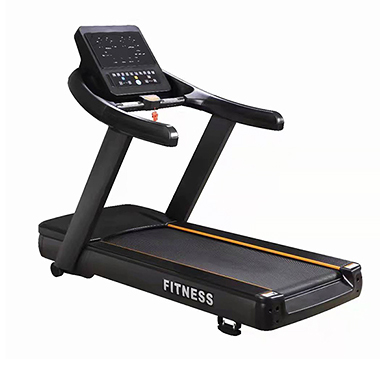
Treadmills excel at replicating outdoor running or brisk walking, delivering intense lower-body engagement. The constant impact activates muscles like hamstrings, calves, and glutes more forcefully than most cardio machines. For calorie burn, a 180-pound user can torch 350–400 calories in 30 minutes of jogging (6 mph). This high-intensity output also ramps up heart rate faster, boosting cardiovascular stamina over time. Additionally, the weight-bearing nature helps maintain bone mass – a key benefit for preventing osteoporosis.
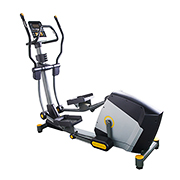
Ellipticals, with their smooth, gliding motion, offer a full-body, low-impact alternative. The synchronized arm levers and foot pedals work shoulders, triceps, core, quads, and even hip flexors simultaneously. A 180-pound person burns roughly 300–320 calories in 30 minutes at a steady pace. What sets them apart is the lack of joint stress: knees, ankles, and hips avoid the repetitive pounding of running, making them gentler for long-term use. They also promote better posture as users naturally engage their core to stay balanced.

Ideal Users: Who Benefits Most?
Treadmills are a go-to for avid runners training for marathons or 5Ks, as they let you control incline and speed to mimic race conditions. They’re also great for those targeting lower-body strength – hikers prepping for trails, for example, can use incline settings to build leg power. However, they’re not ideal for people with arthritis, knee injuries, or back issues, as the impact amplifies discomfort.
Ellipticals shine for specific groups: older adults prioritizing joint health, post-rehab patients rebuilding strength, and beginners easing into fitness. They’re also perfect for multi-taskers – many users read or watch shows while working out, thanks to the stable, low-effort motion. Those seeking balanced upper-lower body training, like swimmers or cyclists needing cross-training, will appreciate the full-range engagement.
Final Tips for Selection
If your routine thrives on intensity and lower-body focus, a treadmill delivers. For joint safety, full-body toning, or sustainable long-term use, an elliptical is smarter. Check machine specs too: treadmills with shock absorption cushion joints slightly, while ellipticals with adjustable resistance let you crank up intensity. Choosing right ensures every sweat session moves you closer to your goals.