When it comes to cardio equipment, treadmills and ellipticals are two of the most popular choices in gyms worldwide. Both get your heart rate up, burn calories, and improve cardiovascular health. Yet, many people notice a puzzling contrast: some swear by treadmills for sculpting those coveted six-pack abs, while others end up with aching knees after using them. Meanwhile, ellipticals are often hailed as "low-impact saviors," but they don’t always deliver the same core-toning results. What’s behind this discrepancy?

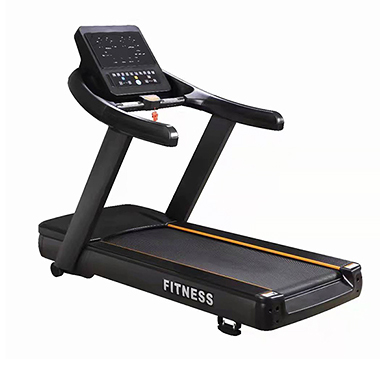
Let’s start with the treadmill. Running or walking on a treadmill is a weight-bearing exercise, meaning your legs and core must work hard to support your body weight with each step. This constant engagement forces your abdominal muscles to stabilize your torso, especially when you increase the incline or speed. Over time, this consistent core activation can lead to stronger, more defined abs—if paired with a calorie deficit, of course. However, the repetitive impact of foot strikes can take a toll on knees, hips, and ankles. People with weak form (like overstriding or leaning too far forward) or pre-existing joint issues are particularly prone to pain here.
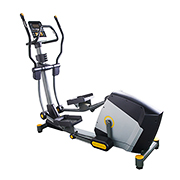
Now, the elliptical. Its gliding motion is non-impact, making it gentler on joints. This is why it’s a go-to for rehab or anyone with knee problems. But that lack of impact also means less demand on your core. Without the need to stabilize your body against gravity with each step, your abs don’t work as hard—unless you intentionally engage them. Many users slouch or lean on the handles, turning the machine into a passive workout that barely touches the core. Additionally, ellipticals distribute effort across both upper and lower body, which can dilute the focus on any single muscle group compared to the treadmill’s lower-body and core intensity.

Form is the game-changer here. On a treadmill, proper posture—chest up, core braced, and landing softly on your midfoot—minimizes knee stress while maximizing core engagement. Slouching or overstriding shifts pressure to the knees, leading to strain. On an elliptical, standing tall, gripping the handles lightly (or not at all), and driving through your heels can activate your core and legs more effectively. Leaning heavily on the machine, however, turns it into a lazy workout that misses out on muscle toning.
Another factor is workout intensity and duration. Treadmills allow for high-intensity interval training (HIIT)—short bursts of sprinting followed by rest—which torches calories and boosts metabolism, aiding in fat loss that reveals abs. The intensity also ramps up core effort. Ellipticals can do HIIT too, but many users stick to steady, low-resistance paces that burn fewer calories and engage fewer muscles.
Knee health also depends on individual biomechanics. People with flat feet, tight quads, or weak glutes may struggle with treadmills, as these issues alter gait and increase knee pressure. Ellipticals, with their fixed motion, reduce this variability but won’t fix underlying muscle imbalances.
In the end, it’s not the machine—it’s how you use it. Treadmills can build abs with proper form and intensity but risk knee injury with bad habits. Ellipticals protect joints but require active engagement to tone your core. Choose based on your goals, body type, and commitment to good technique, and you’ll get the results you want—without the pain.