When setting up your home gym or choosing equipment at the fitness center, the debate between treadmills and stair climbers often arises. Both are popular cardio machines, but understanding their key differences helps you make a choice that aligns with your fitness goals and lifestyle. Here are five critical factors to consider.

1. Exercise Goals Alignment
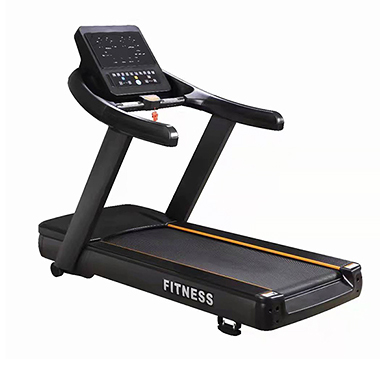
Treadmills excel at steady-state cardio and endurance training. They allow adjustable speed and incline, making them ideal for runners, those training for marathons, or anyone wanting consistent calorie burn through walking or jogging. Stair climbers, however, focus more on lower-body strength and intensity. Mimicking stair climbing, they target glutes, quads, and hamstrings while boosting heart rate, perfect for building lower-body muscle and burning calories in shorter, more intense sessions.
2. Joint Impact and Safety
If joint health is a concern, this difference matters. Treadmills with good cushioning reduce impact compared to outdoor running, but they still involve repetitive foot strikes that may stress knees and ankles. Stair climbers, using a stepping motion, distribute weight more evenly. However, improper form on stair climbers can strain knees, so maintaining upright posture is crucial. People with knee issues often find treadmills more manageable, while those with strong joints may prefer stair climbers’ intensity.
3. Space and Placement Requirements
Treadmills typically need more floor space, especially folding models when unfolded. They also require room for arm movement and ventilation. Stair climbers are generally more compact, with a smaller footprint, making them suitable for smaller rooms or apartments. Their vertical design saves floor space, though some models have larger bases, so measuring your available area is essential before purchasing.
4. Usage Convenience and Versatility
Treadmills offer greater versatility. You can walk, jog, run, or use interval training by adjusting speed and incline. Many come with pre-set programs for varied workouts. Stair climbers have limited movement patterns—focused on stepping—but some models allow resistance adjustments to modify intensity. Treadmills are easier to integrate into daily routines for casual use, while stair climbers demand more focus during workouts.
5. Cost and Maintenance
Treadmills range widely in price, from budget-friendly basic models to high-end ones with advanced features. They require regular maintenance like belt lubrication and deck inspection. Stair climbers, especially commercial-grade ones, can be pricey upfront but often have simpler mechanics, leading to lower long-term maintenance costs. Consider your budget not just for purchase but also for upkeep.
In conclusion, choose a treadmill if you prioritize endurance training, joint-friendly cardio, or varied workout options. Opt for a stair climber if you want intense lower-body workouts, have limited space, or prefer strength-focused cardio. Assessing these five differences ensures your choice supports your fitness journey without unnecessary detours.