For many fitness enthusiasts, pull-ups stand as one of the most challenging bodyweight exercises. The inability to complete even a single rep often discourages beginners from pursuing upper-body strength training. This is where pull-up assisted bars come into play—a game-changing tool designed to make this formidable exercise accessible to everyone.

At its core, a pull-up assisted bar integrates a resistance mechanism that reduces the effective weight you need to lift. Unlike standard pull-up bars that require lifting 100% of your body weight, these specialized bars use either counterweight systems, elastic bands, or hydraulic pistons to provide upward assistance. The key principle is simple: by offsetting a portion of your body mass, the equipment allows you to perform proper pull-up movements while building strength gradually.
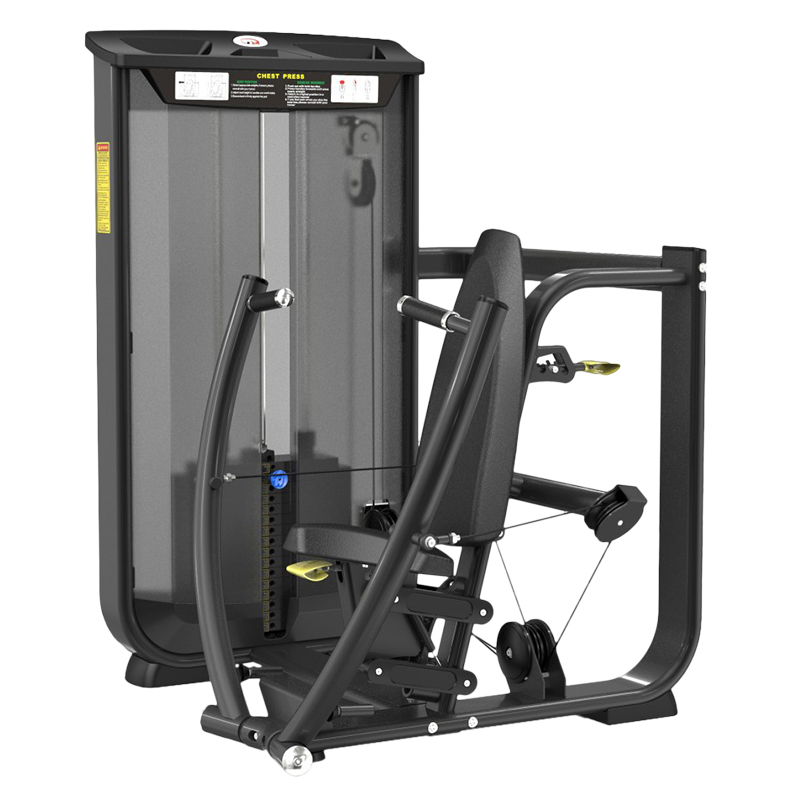
Modern assisted bars typically feature adjustable resistance settings, ranging from minimal support for advanced users refining form to maximum assistance for absolute beginners. This adjustability makes them versatile across all fitness levels. Commercial gym models often use weight stacks where adding plates increases assistance, while home versions frequently utilize tension knobs or band attachments for resistance control.
The benefits of using assisted pull-up bars extend far beyond enabling reps. First and foremost, they promote proper exercise mechanics. When struggling with unassisted pull-ups, many people compensate by swinging or using momentum, which risks injury and reduces muscle engagement. The controlled assistance helps maintain correct posture—chest up, core engaged, and focused lats activation.
These bars also facilitate progressive overload, the golden rule of strength training. As your muscles adapt, you can incrementally reduce assistance, forcing your body to handle more weight over time. This systematic approach yields faster strength gains than endless attempts at unassisted reps that go nowhere.
For beginners, the psychological boost is equally valuable. Completing multiple quality reps with assistance builds confidence and consistency, turning a frustrating exercise into an achievable goal. Intermediate users benefit too, using the bars to target specific muscle groups by adjusting grip width without sacrificing form.
When selecting an assisted pull-up bar, focus on key features: weight capacity (minimum 300lbs/136kg is ideal), smooth resistance adjustment, and sturdy construction. Home users should consider space-saving designs, while commercial settings prioritize durability and ease of maintenance.
In conclusion, pull-up assisted bars eliminate the "all or nothing" barrier to effective upper-body training. By providing customizable support, they allow users to build strength, perfect technique, and progress at their own pace. Whether you're a complete novice or an experienced athlete looking to break plateaus, this versatile tool deserves a place in your fitness routine.