When it comes to home workouts, the equipment you choose can make or break your fitness progress. Many beginners wonder: Why splurge on a dumbbell bench when a regular chair seems like a cheaper alternative? Fitness experts and enthusiasts consistently opt for dumbbell benches, and the reasons go far beyond mere preference.

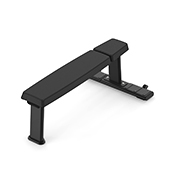
First, stability is non-negotiable during strength training. Regular chairs are designed for sitting, not supporting dynamic movements with weights. Their narrow bases and lightweight frames often wobble during exercises like chest presses or tricep dips, increasing injury risk. Dumbbell benches, however, are engineered with wide, weighted bases and sturdy steel frames that stay firmly grounded even during intense sets. This stability lets you focus on proper form without worrying about tipping.
Adjustability is another game-changer. Most dumbbell benches offer multiple incline, decline, and flat positions, allowing targeted workouts for different muscle groups. Want to emphasize upper chest? Set it to a 30-degree incline. Need to work your lower chest? Adjust to a decline angle. Regular chairs lack this versatility—their fixed position limits exercise variety, making it nearly impossible to isolate specific muscles effectively.
Weight capacity tells another critical story. Standard chairs typically support 200-300 pounds at most, including your body weight plus dumbbells. Quality dumbbell benches, by contrast, often handle 500+ pounds, accommodating heavier lifts as you get stronger. This durability ensures your equipment grows with your fitness journey, rather than becoming obsolete after a few months.
Ergonomics play a vital role in long-term consistency. Dumbbell benches feature padded surfaces with contoured designs that support your spine during workouts. The cushioning reduces pressure points during exercises like seated shoulder presses, while the backrest maintains proper spinal alignment. Regular chairs often have rigid, flat seats that cause discomfort during extended sessions, leading to cut-short workouts and poor form.
Safety features make dumbbell benches indispensable for serious lifters. Many models include non-slip surfaces to prevent slipping during sweaty sessions and secure locking mechanisms for adjustable parts. Regular chairs offer no such protections—slippery seats and unstable joints can lead to strained muscles or worse when weights are involved.
Functionality extends beyond basic lifts. Dumbbell benches often include built-in footrests for decline exercises and secure padding that won’t shift during movements. This versatility lets you perform everything from rows to lunges with proper support, turning a single piece of equipment into a full-body workout station.
While regular chairs might work for very light exercises, they lack the structural integrity and design features that serious fitness enthusiasts need. Investing in a dumbbell bench isn’t just about upgrading equipment—it’s about investing in safer, more effective workouts that deliver real results. For anyone serious about building strength, improving form, and expanding their exercise repertoire, the choice between a dumbbell bench and a regular chair is clear.