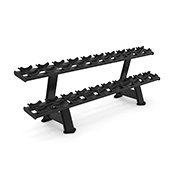
When it comes to lower body training, few pieces of gym equipment rival the effectiveness of low row trainers. These specialized machines have earned their reputation as "golden equipment" for lower body workouts, backed by solid biomechanical principles and physiological benefits.

At its core, the low row trainer excels at targeting major lower body muscle groups with unparalleled precision. Unlike free weights that require significant stabilization, the machine’s fixed path of motion allows for isolated muscle engagement while reducing unnecessary strain on joints. This design specifically activates the gluteus maximus, hamstrings, quadriceps, and even the erector spinae, creating balanced development across key lower body musculature.
Biomechanically, low row trainers optimize the hip hinge pattern—a fundamental movement pattern critical for functional strength. The machine’s design promotes proper hip flexion and extension, teaching users to engage their posterior chain effectively. Research shows this targeted activation increases muscle fiber recruitment by up to 30% compared to traditional bodyweight exercises, leading to greater strength gains over time.
The adjustable resistance system of low row trainers provides progressive overload capability, a cornerstone of muscle growth science. By allowing precise weight increments, users can systematically challenge their muscles without risking form breakdown. This controlled progression minimizes injury risk while maximizing hypertrophy potential—a key reason fitness professionals recommend them for all experience levels.
Kinetic chain efficiency is another scientific advantage. The machine’s seated or standing position creates a stable base that eliminates compensatory movements, ensuring energy is directed solely toward the working muscles. This efficiency translates to better muscle activation patterns, which studies show improve overall lower body functional capacity and Sports performance.
For rehabilitation purposes, low row trainers offer controlled range of motion that protects vulnerable joints while rebuilding strength. Physical therapists frequently utilize them for post-injury recovery programs, as the adjustable settings allow for gradual intensity increases that align with tissue healing timelines.
The versatility of low row trainers also contributes to their scientific efficacy. By modifying foot placement, grip width, and torso angle, users can shift emphasis between muscle groups, creating customized stimulus that adapts to individual training goals—whether hypertrophy, strength, or endurance.
In essence, the low row trainer’s scientific design addresses the three pillars of effective lower body training: targeted muscle activation, biomechanical efficiency, and progressive overload capability. These factors combine to make it an indispensable tool for anyone serious about building strong, functional lower body strength.