When it comes to sticking to a fitness routine, the choice between a home gym and a gym membership can make or break your success. Both options have unique advantages, but the best fit depends on your lifestyle, goals, and preferences. Let’s break down the key factors to help you decide.

Convenience is a game-changer for many. A home gym eliminates commute time, allowing you to squeeze in workouts at odd hours—whether that’s 6 a.m. before work or 10 p.m. after the kids are in bed. No more rushing to beat closing time or waiting for a busy parking spot. This flexibility is a top reason people opt for home setups, especially those with packed schedules. On the flip side, gyms offer structure. For some, leaving the house to workout creates a mental trigger to focus, reducing the temptation to skip sessions.
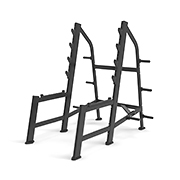
Cost is another critical factor. Gym memberships typically cost (30–)100 monthly, adding up to (360–)1,200 yearly. A home gym requires upfront investment—basic equipment like dumbbells, a mat, and resistance bands starts around (200, while full setups with a treadmill or squat rack can hit )1,000+. Over time, though, a home gym often becomes cheaper. If you plan to workout long-term (5+ years), the savings add up significantly.
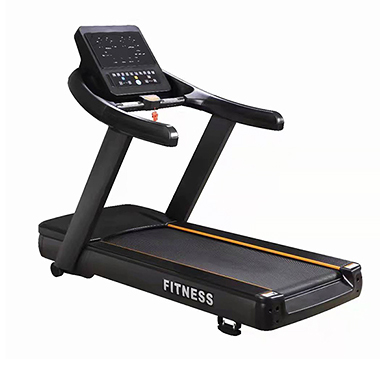
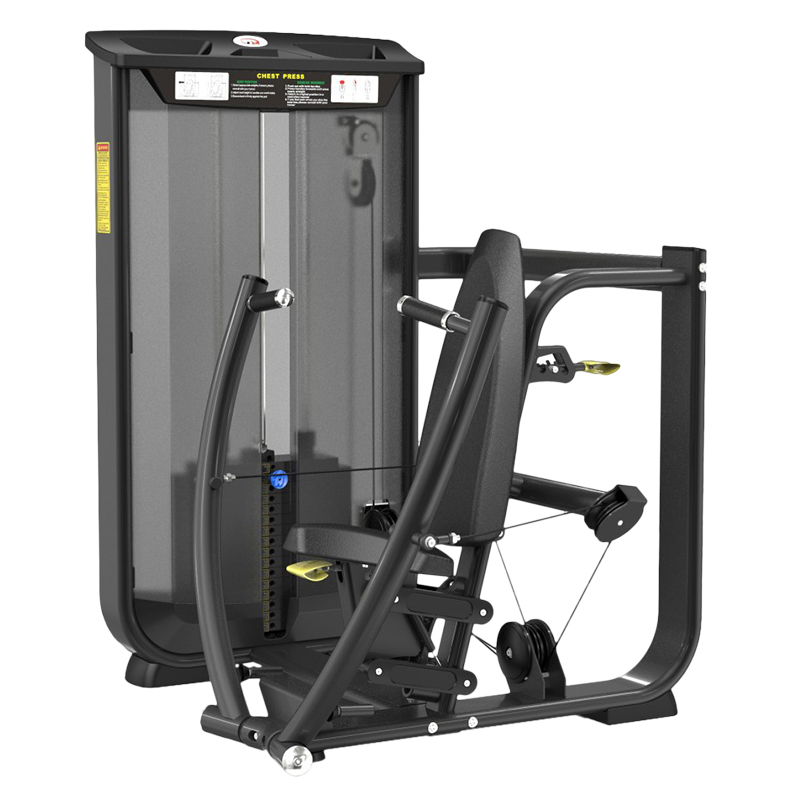
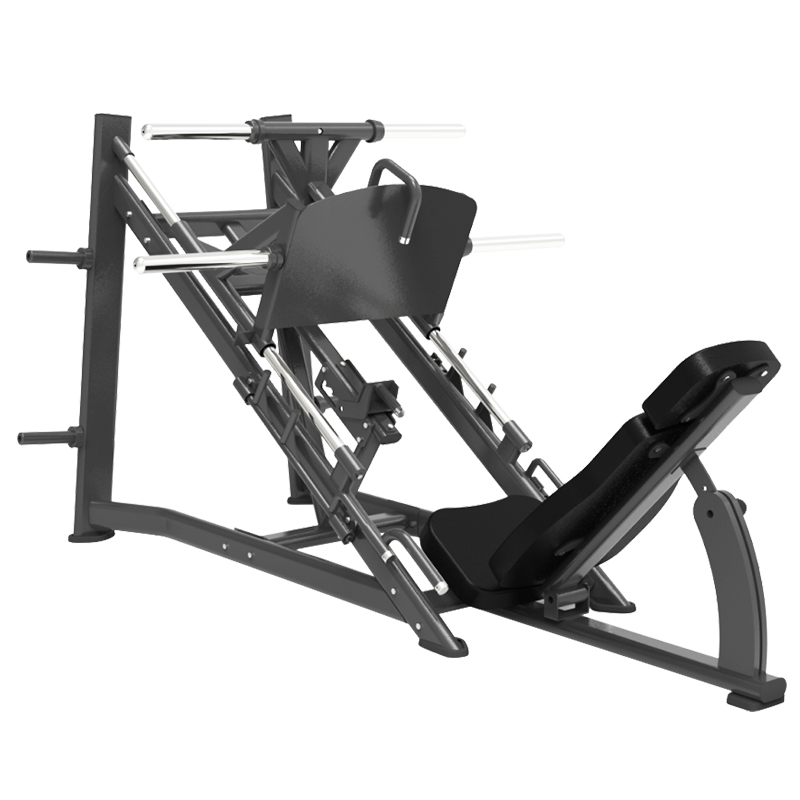
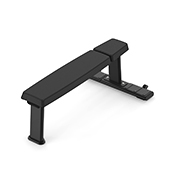
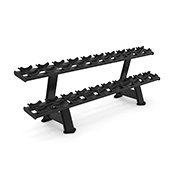
Equipment variety matters for diverse routines. Commercial gyms boast rows of machines, free weights, and specialized gear like climbing walls or spin bikes—ideal if you love mixing up workouts or training for specific sports. Home gyms, by contrast, limit you to what fits in your space. However, compact tools like adjustable dumbbells or foldable treadmills now let you do full-body workouts without cluttering rooms.
Motivation and community play hidden roles. Gyms foster accountability through group classes, personal trainers, and the energy of fellow members. If you thrive on social interaction or need expert guidance, this support is invaluable. Home gyms demand self-discipline. Without instructors or classmates, it’s easier to slack off—unless you’re highly self-motivated or use virtual classes to stay on track.
Space constraints are a dealbreaker for some. Apartments or small homes may lack room for even basic equipment, making a gym membership the only feasible option. Those with garages, basements, or spare rooms can carve out dedicated workout areas, turning their home into a fitness hub.
So, which is right for you? Choose a home gym if you value convenience, have space, and prefer solo workouts. It’s perfect for busy professionals, parents, or anyone who hates commuting. Opt for a gym membership if you crave variety, need social motivation, or lack space at home. It’s great for beginners, group class lovers, or those training for advanced goals.
Ultimately, the best choice is the one you’ll stick with. Both paths lead to better health—what matters most is finding the fit that keeps you moving.