When it comes to choosing between Pilates and yoga, many women find themselves stuck in a loop of uncertainty. Both practices have soared in popularity, but they cater to different needs. Let’s break down their core differences, benefits, and ideal scenarios to help you decide.

Core Focus: Strength vs. Flexibility & Mindfulness
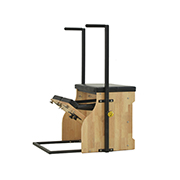
Pilates centers on building core strength, improving posture, and enhancing muscle control. It involves precise, repetitive movements (often using equipment like reformers) that target deep muscles, leading to a toned, balanced physique. It’s excellent for correcting alignment issues and preventing injuries, making it a favorite among athletes and those with desk jobs.
Yoga, on the other hand, blends physical postures (asanas), breathwork (pranayama), and meditation. While it does build strength, its primary goals are flexibility, stress reduction, and mental clarity. Styles like Hatha and Yin Yoga focus on slow, sustained stretches, while Vinyasa and Power Yoga offer more dynamic, cardio-like sessions. Yoga emphasizes the mind-body connection, making it ideal for those seeking relaxation alongside physical benefits.
Body Goals: What Are You Working Toward?
If your aim is to sculpt lean muscles, boost core stability, or recover from back pain, Pilates is your go-to. Its focus on controlled movements strengthens muscles without bulk, making it great for shaping the abdomen, glutes, and legs. Many women turn to Pilates post-pregnancy to rebuild core strength safely.
For flexibility, stress relief, or improving overall wellness, yoga shines. Regular practice increases joint mobility, eases muscle tension, and lowers cortisol levels. It’s also effective for beginners, as there are modifications for all fitness levels. If you struggle with anxiety or sleep issues, yoga’s meditative aspects can work wonders.
Physiological compatibility: What does your body need?
Pilates is low-impact, making it suitable for women with joint problems or injuries. Its structured approach allows for gradual progression, so you can build strength without straining. However, it requires focus and discipline, as proper form is key to avoiding strain.
Yoga’s adaptability makes it accessible to almost everyone, but certain styles may be more intense. For example, Bikram Yoga (done in a heated room) can be challenging for those sensitive to heat, while restorative yoga is gentle enough for seniors or those recovering from illness. If you prefer a practice that flows with your energy levels, yoga offers more variety.
Final Verdict: It’s Personal
There’s no one-size-fits-all answer. If you crave structure, core strength, and posture improvement, Pilates is your match. If you want flexibility, mental peace, and a practice that grows with your mind and body, yoga is the way to go. Many women even combine both for a well-rounded routine!
Ultimately, the best choice is the one you’ll stick with. Listen to your body, define your goals, and give either (or both!) a try – you might be surprised by the results.