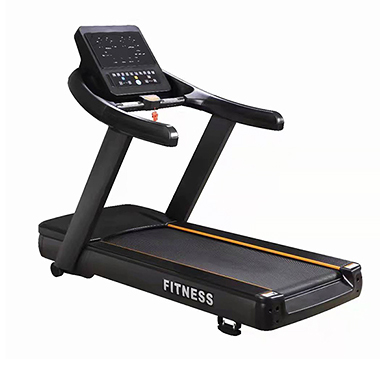
The short answer: Yes, walking can help you lose weight. But how effective it is depends on factors like duration, intensity, and your overall lifestyle. Let’s break down the science and how to make walking a powerful tool in your weight loss journey.

Weight loss boils down to burning more calories than you consume—a calorie deficit. Walking, even at a moderate pace, burns calories. A 155-pound (70kg) person burns about 167 calories per 30 minutes of brisk walking (3.5 mph/5.6 km/h). Over time, those calories add up. For example, walking 30 minutes daily, 5 days a week, burns around 835 calories weekly—enough to lose about 0.25 pounds (0.1kg) if you keep your diet steady (since 1 pound equals 3,500 calories).
But consistency matters more than short bursts. A 2017 study in Medicine & Science in Sports & Exercise found that people who walked regularly for 12 weeks lost more body fat than those who didn’t, even without strict diet changes. The key? Making walking a habit.
Intensity boosts results, too. Brisk walking, uphill treks, or adding intervals (alternating fast and slow paces) torch more calories. A 155-pound person can burn up to 223 calories in 30 minutes by walking uphill at 3.5 mph. Plus, higher intensity increases “afterburn”—calories burned post-workout as your body recovers.
Don’t overlook non-exercise activity thermogenesis (NEAT)—calories burned from daily movement like walking to the store or taking stairs. A 2015 study in Current Diabetes Reports noted that NEAT plays a huge role in weight management, and walking is a simple way to boost it.
To maximize weight loss with walking:
Aim for 150+ minutes of moderate walking weekly (the WHO’s recommendation).
Add inclines or speed intervals.
Pair walking with a balanced diet—even the best exercise can’t outrun poor eating habits.
Track progress: Use a pedometer to aim for 7,000–10,000 steps daily.
Critics argue walking isn’t “intense enough,” but for many—especially beginners or those with joint issues—it’s sustainable. Sustainability is key for long-term weight loss.
In short: Walking works for weight loss when done consistently, paired with smart eating, and adjusted for intensity. Lace up your shoes—your journey starts with a single step.