Building a strong, defined back isn’t just about looking good—it supports posture, reduces injury risk, and boosts overall strength. But walk into any gym or scroll through fitness apps, and you’ll face a flood of back exercises: pull-ups, rows, lat pulldowns, deadlifts, and more. With so many options, it’s easy to waste time on moves that don’t fit your goals or skill level.

The key question is: Which back exercises are worth learning, and which will actually deliver results for you?
First, focus on compound movements—multi-joint exercises that work multiple muscle groups at once. These are the foundation of any effective back routine because they trigger more muscle growth and strength gains. The bent-over barbell row is a must-learn. It targets the lats, rhomboids, and traps, and you can adjust weight easily as you get stronger. To do it right: Hinge at the hips (keep your back flat!), grip the bar slightly wider than shoulder-width, and pull the bar to your lower chest. Avoid rounding your spine—this is how injuries happen.
Another non-negotiable compound move is the pull-up or chin-up. Pull-ups (palms facing away) hit the lats harder, while chin-ups (palms facing you) engage the biceps more. If you can’t do a full pull-up yet, start with assisted pull-ups using a resistance band or machine. Mastering this movement will build upper-back thickness and improve grip strength—both essential for other lifts.
For targeting the mid-back (rhomboids and traps), the seated cable row is a top choice. Unlike free-weight rows, the cable keeps constant tension on your muscles, ensuring you work them throughout the entire range of motion. Sit tall with your feet flat on the platform, grab the handle, and pull it toward your lower ribs, squeezing your shoulder blades together at the end. Keep your chest up—don’t lean back or round your shoulders. This move is great for beginners because it’s easy to control and reduces strain on the lower back.
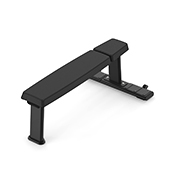
Now, what about isolation exercises? While compound moves should be your priority, isolation exercises can help fix imbalances or boost muscle definition. The single-arm dumbbell row is perfect for this. It allows you to focus on one side at a time, correcting any strength differences between your left and right back. Place one hand and knee on a bench, keep your back flat, and pull the dumbbell up toward your hip. Lower it slowly—don’t swing the weight. This move is also great for home workouts if you don’t have access to a gym.
Avoid wasting time on overly complicated or ineffective exercises. For example, the “superman” back extension might seem like a good core and back move, but it does little to build significant strength or muscle. Similarly, machine-based back exercises that limit your range of motion (like some low-back machines) are less useful than free weights or cables. Stick to moves that let you use moderate to heavy weights with proper form—these are the ones that will drive progress.
Finally, remember that consistency matters more than the number of exercises you do. Pick 3-4 key back exercises (2 compound, 1-2 isolation), and include them in your routine 1-2 times per week. Focus on gradually increasing weight or reps (progressive overload), and make sure your form is always perfect. Even the best exercises won’t work if you rush through them or sacrifice form for heavier weights.
In short, you don’t need to learn every back exercise out there. Stick to compound moves like bent-over rows and pull-ups for strength and size, add seated cable rows or single-arm dumbbell rows for balance and definition, and skip the gimmicks. With the right moves and consistent effort, you’ll build a strong, healthy back in no time.