When it comes to building a strong, shapely lower body—especially a full, defined glute line—barbells are unmatched tools. Unlike bodyweight moves alone, barbells let you gradually add resistance, challenging your glutes to grow stronger and more sculpted over time. Whether you’re a gym veteran or new to strength training, these 5 core barbell exercises will target your glutes directly, boost overall lower-body power, and help you achieve the lifted, rounded 臀线 (glute line) you’re after.

1. Barbell Hip Thrusts: The Glute-Building Staple
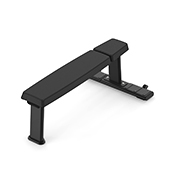
No glute routine is complete without barbell hip thrusts—they’re the gold standard for activating and growing your glutes. Start by sitting on the floor with your upper back leaning against a bench (adjust height so your shoulders rest comfortably). Place a barbell across your hips (use a pad for comfort to avoid bruising) and bend your knees, feet flat on the ground, hip-width apart. Engage your core, then drive through your heels to lift your hips upward until your body forms a straight line from shoulders to knees. Squeeze your glutes hard at the top—hold for 1 second—then lower slowly. Aim for 3 sets of 12–15 reps. This move targets the gluteus maximus (the largest glute muscle) and builds that full shape you want.
2. Barbell Back Squats: Build Strength & Curve
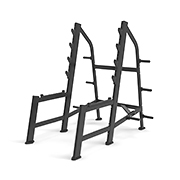
Back squats are a full-body powerhouse, but they’re especially great for glutes and quads. Stand with feet slightly wider than hip-width, toes turned out 15 degrees. Rest the barbell across your upper back (traps), not your neck—grip it tight with both hands. Brace your core, push your hips back, and bend your knees to lower like you’re sitting in a chair. Keep your chest up and knees tracking over your toes (don’t let them cave inward). Lower until your thighs are parallel to the floor (or slightly lower if you can), then drive through your heels to stand up. Squeeze your glutes at the top. Do 4 sets of 8–10 reps. Back squats build overall lower-body strength while shaping the glutes into a firm, lifted curve.
3. Barbell Romanian Deadlifts (RDLs): Target Glute Hams
RDLs focus on the posterior chain—glutes, hamstrings, and lower back—making them perfect for adding definition to the back of your glutes. Stand with feet hip-width apart, barbell in front of your thighs, arms straight. Hinge at your hips, pushing them back, and lower the barbell down the front of your legs—keep it close to your body, and don’t round your back. Feel the stretch in your hamstrings and glutes as you lower. Stop when you feel a deep stretch (don’t go past your comfort zone), then squeeze your glutes to pull your hips forward and stand back up. Do 3 sets of 10–12 reps. RDLs add that extra "pop" to your glute line by targeting the muscles that shape its upper and outer edges.
4. Barbell Lunges: Sculpt Unilateral Glute Strength
Lunges work each glute individually, fixing imbalances and building even shape. Hold a barbell across your upper back (like a back squat) or at your sides (lighter weight for balance). Step forward with one leg, bend both knees to lower until your front thigh is parallel to the floor—your back knee should almost touch the ground (keep it hovering). Push through your front heel to stand back up, squeezing your front glute at the top. Repeat on the other leg. Do 3 sets of 10 reps per leg. Lunges boost glute activation and help create a smooth, rounded curve from hip to thigh.
5. Barbell Glute Bridges: A Simplified, Effective Move
If hip thrusts feel too intense at first, start with barbell glute bridges—they’re gentler but still highly effective. Lie on your back, knees bent, feet flat, hip-width apart. Place a barbell across your hips (use a pad). Engage your core, then lift your hips upward until your body forms a straight line from shoulders to knees. Squeeze your glutes hard at the top, hold for 2 seconds, then lower slowly. Do 3 sets of 15–20 reps. This move is great for beginners or as a warm-up, and it builds the foundational glute strength needed for harder exercises.
Pro Tips for Best Results
Progressive Overload: To keep seeing growth, add weight gradually (e.g., 2.5–5 lbs more on the bar every 1–2 weeks) — this is key for glute development.
Form First: Bad form can lead to injury. If you’re new, ask a gym trainer to check your squat or deadlift form.
Rest & Recovery: Glutes need time to grow—rest 48 hours between glute workouts, and fuel your body with protein (chicken, eggs, Greek yogurt) to repair muscles.
With consistency, these 5 barbell exercises will transform your glutes—building strength, adding fullness, and creating a defined, lifted glute line that turns heads. Don’t rush—focus on good form and gradual progress, and you’ll see results in 4–6 weeks. Grab that barbell, and let’s get to work!