In today's competitive business landscape, a well-equipped corporate gym has become more than a perk—it's a strategic investment in employee health, productivity, and retention. But designing an effective workplace fitness space requires careful planning and equipment selection tailored to your team's needs.

Start by assessing your employee demographics. A diverse workforce may include young professionals seeking high-intensity options alongside older staff prioritizing joint-friendly equipment. Conduct a quick survey to identify popular activities—this data will guide your budget allocation.
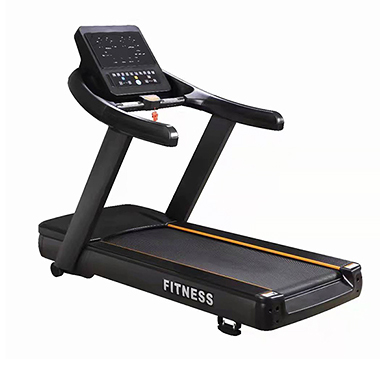
Cardiovascular equipment forms the foundation of any corporate gym. treadmills remain a staple but consider adding ellipticals and stationary bikes for low-impact alternatives. Rowing machines offer full-body workouts while saving space—a valuable feature for compact offices. Aim for 1-2 cardio machines per 15-20 employees to avoid wait times.
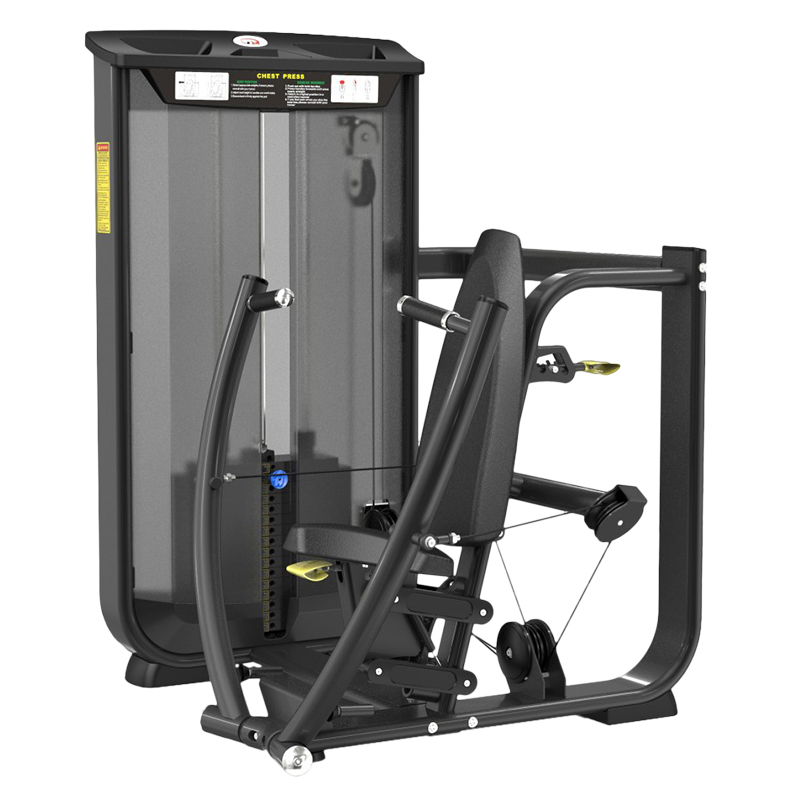
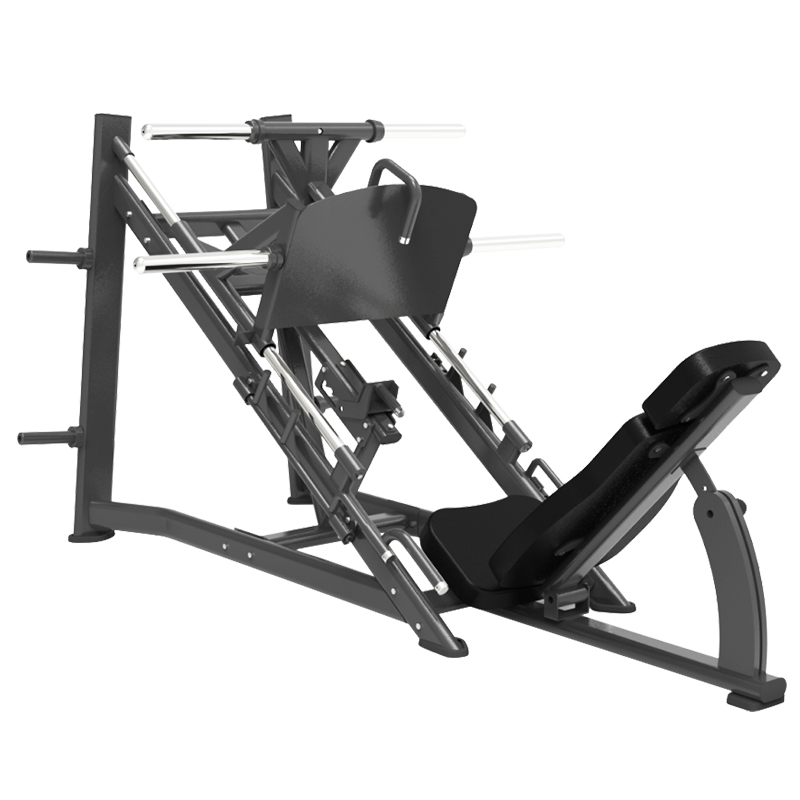
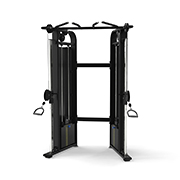
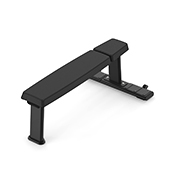
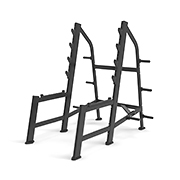
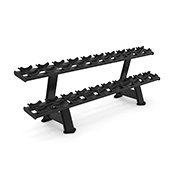
Strength training equipment should balance versatility with simplicity. Multi-purpose stations allow various exercises without requiring extensive floor space. Dumbbell sets (ranging from 5-50lbs) and adjustable benches accommodate different fitness levels. Resistance bands and medicine balls offer portable, user-friendly strength options suitable for beginners.
Functional fitness elements enhance engagement. Stability balls, yoga mats, and foam rollers support stretching and recovery routines. Consider a small area for bodyweight exercises with a pull-up bar and TRX suspension trainers—these tools appeal to employees seeking varied workouts.
Space planning impacts usability. Ensure 3-4 feet between equipment for safety and comfort. Create distinct zones for cardio, strength, and stretching to reduce congestion. Mirrors along one wall make form correction easier and visually expand the space.
Invest in quality within your budget. Commercial-grade equipment withstands heavy daily use better than consumer models. Prioritize key pieces first, then expand gradually. Look for warranties of at least 1-3 years for major components.
Accessibility matters for inclusion. Choose equipment with adjustable features to accommodate different body types. Ensure clear pathways for employees with mobility aids. Consider adding instructional posters or QR codes linking to exercise tutorials for beginners.
Maintenance is often overlooked. Establish a regular cleaning schedule and equipment inspection routine. Provide disinfectant wipes and encourage employees to wipe down machines after use—this protects your investment while promoting hygiene.
A well-designed corporate gym reflects your company's commitment to employee well-being. By focusing on versatility, accessibility, and employee preferences, you'll create a space that encourages regular use, reduces stress, and fosters a positive workplace culture. Remember, the best corporate fitness centers are those that meet employees where they are on their fitness journey.