The incline dumbbell bench press is a staple in upper body workouts, targeting your chest, shoulders, and triceps while enhancing muscle symmetry. Follow this step-by-step guide to perform it correctly and maximize results.

Setup Properly
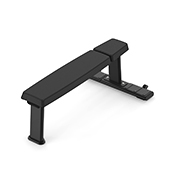
Start by adjusting the bench to a 30-45 degree incline. This angle emphasizes the upper chest without straining your shoulders. Lie flat with your feet firmly planted on the floor, knees bent. Grip a dumbbell in each hand, palms facing forward, and hold them at shoulder height with elbows bent at 90 degrees. Engage your core to keep your lower back pressed against the bench.
Execution Technique
Press the dumbbells upward until your arms are fully extended, avoiding locking your elbows. As you lift, imagine squeezing your chest muscles together. Lower the weights slowly in a controlled motion, feeling a stretch in your chest. Aim for 3-4 sets of 8-12 repetitions, adjusting weight to challenge yourself without sacrificing form.
Common Mistakes to Avoid
Many lifters arch their lower back excessively or use momentum to lift heavier weights. This reduces chest engagement and increases injury risk. Keep your core tight and maintain a natural spine position. Avoid flaring your elbows outward, which strains shoulder joints—keep them at a 45-degree angle from your torso.
Progression Tips
Gradually increase weight as the exercise feels easier, but prioritize form over heavy loads. Try slowing the eccentric (lowering) phase to 3 seconds for greater muscle activation. Incorporating drop sets or rest-pause techniques can also boost intensity for advanced lifters.
Incorporate into Your Routine
Pair incline dumbbell presses with flat bench presses and chest flyes for a balanced chest workout. Perform them early in your session when energy levels are highest. Allow 48 hours of recovery between chest workouts to facilitate muscle growth.
By mastering the incline dumbbell bench press with proper form and progressive overload, you'll build a stronger, more defined upper chest while improving overall upper body strength. Consistency is key—stick with your routine and track progress to stay motivated.