Buying aerobic exercise equipment can feel overwhelming—especially when you’re worried about wasting money on something that doesn’t fit your needs. Whether you’re setting up a home gym or upgrading your workout gear, knowing the pros and cons of each popular option is key to avoiding regrets. Let’s break down the most common aerobic machines, so you can pick the one that works for your lifestyle, space, and goals.

Treadmills: Versatile but Space-Hungry
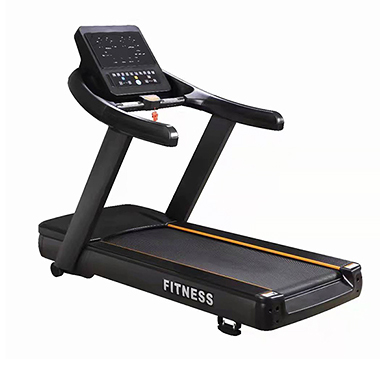
Treadmills are a top choice for walkers, joggers, and runners because they mimic outdoor movement. Pros: They let you control speed, incline, and even simulate hills or trails—great for consistent training regardless of weather. Many models also have built-in workouts or heart rate monitors. Cons: They’re large and heavy, so you’ll need dedicated floor space (most are 6–7 feet long). They’re also one of the pricier options, and high-impact use can strain knees or joints over time. If you live in a small apartment or have joint issues, a treadmill might not be worth the investment.
Ellipticals: Low-Impact, Mid-Space
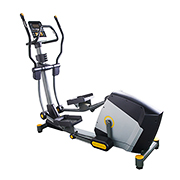
Ellipticals are a favorite for low-impact cardio, making them ideal for beginners, older adults, or anyone recovering from injury. Pros: They work your legs, glutes, and upper body (if they have moving arms) without jarring your joints. They’re smaller than treadmills (usually 4–5 feet long) and quieter, too. Cons: They don’t replicate real-world movement (like running or walking) as well, so some people find them less engaging. Cheaper models may feel wobbly, and they still require enough space to step forward and back comfortably. If you crave variety or high-intensity workouts, an elliptical might feel too mild.
Stationary Bikes: Compact and Budget-Friendly
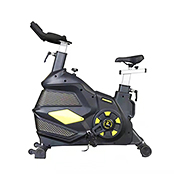
Stationary bikes (upright or recumbent) are perfect for small spaces and tight budgets. Pros: They’re the most compact option—upright bikes fit in closets or corners, while recumbents (with a reclined seat) offer extra back support. They’re low-impact, easy to use, and affordable (entry-level models start under $200). Many also connect to apps for virtual cycling classes, adding fun to workouts. Cons: Upright bikes can cause discomfort in the neck or back if used for long periods. Recumbents take up a bit more floor space but are still smaller than ellipticals. They only target lower body muscles, so you’ll need other equipment for full-body workouts.
Rowing Machines: Full-Body Workout, but Tricky to Master
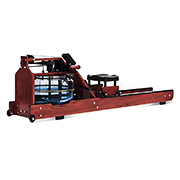
Rowing machines are a hidden gem for total-body aerobic exercise—they work your legs, core, back, and arms in one motion. Pros: They’re low-impact, space-efficient (many fold up for storage), and offer a intense workout that burns calories quickly. They also improve posture and core strength. Cons: Proper form is crucial—bad technique can lead to back pain, so you may need to watch tutorials or take a class to learn. They’re louder than ellipticals or bikes (the “swish” of the rower can disturb roommates), and cheaper models may have a rough, uneven motion. If you prefer simple, no-fuss workouts, a rowing machine might feel too complicated.
How to Choose Without Wasting Money
Before buying, ask yourself three questions: 1) Do I have enough space? Measure your gym area and check the machine’s dimensions. 2) What’s my fitness level? Joint issues mean avoiding treadmills; beginners might start with a bike. 3) Will I actually use it? If you hate cycling, a stationary bike will collect dust—pick something you find fun.
By focusing on pros, cons, and your own needs, you’ll avoid the “buy now, regret later” trap. The best aerobic equipment isn’t the most expensive or popular—it’s the one that fits you.