When stepping into a gym or shopping for home fitness equipment, many people get confused between exercise bikes and spin bikes. Though both are designed for indoor cycling workouts, they serve different needs. Understanding their key differences will help you pick the right one for your fitness goals. Below are 4 critical points to distinguish them clearly.

1. Design and Structure
Exercise bikes usually have a more relaxed design. They often come with a comfortable, wide seat and a backrest (in some models like recumbent exercise bikes). The handlebars are positioned at a higher level, allowing you to sit in an upright or slightly reclined posture. Most exercise bikes have a heavy flywheel located at the front or rear, and their frame is sturdy but not as compact as spin bikes.
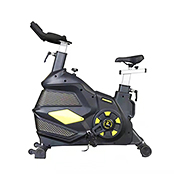
Spin bikes, on the other hand, mimic the look of real road bikes. They have a narrow, padded seat (similar to bike saddles) with no backrest. The handlebars are lower and more flexible, enabling multiple hand positions (like leaning forward for a "road cycling" stance). Their flywheel is heavier and placed at the front, and the frame is sleek and compact, making them take up less space.
2. Workout Experience
Exercise bikes offer a low-impact, smooth ride. The resistance system (often magnetic) provides quiet and consistent resistance. You can adjust the resistance easily, but the ride feels more gentle, which is great for steady-state cardio without putting too much stress on joints.
Spin bikes deliver a more intense, road-like experience. The resistance is often adjusted via a friction pad (some newer models use magnetic resistance too), and you can "stand up" on the pedals to simulate climbing hills—just like on a real bike. The ride is more dynamic, with the heavy flywheel creating momentum that feels similar to outdoor cycling. This makes spin bikes ideal for high-intensity interval training (HIIT) and group spin classes.
3. Target Users
Exercise bikes are perfect for beginners, older adults, or anyone recovering from an injury. Their upright or reclined position reduces strain on the lower back and knees. They’re also a good choice for people who want to get in a cardio workout while watching TV or reading, as the relaxed posture allows for multitasking.
Spin bikes are better suited for fitness enthusiasts, experienced cyclists, or those looking to burn calories quickly. If you enjoy high-energy workouts, love the feeling of outdoor cycling, or want to build leg strength and endurance, a spin bike is the way to go. They’re also popular in gyms for group classes, where instructors lead dynamic workouts.
4. Space and Storage
Exercise bikes, especially recumbent ones, tend to be bulkier. They take up more floor space and are harder to move around. However, some upright exercise bikes have a compact design that’s easier to fit in small rooms.
Spin bikes are more space-efficient. Their sleek, vertical design means they take up less floor space than most exercise bikes. Many models also have built-in wheels, making it easy to move them to a storage area when not in use—great for apartments or small home gyms.
In conclusion, choosing between an exercise bike and a spin bike depends on your fitness level, workout preferences, and space. If you want a gentle, low-impact workout, go for an exercise bike. If you crave an intense, dynamic ride, a spin bike is the better option. Now that you know these key differences, you can make an informed decision for your fitness journey!