Pilates is a popular exercise method that improves strength, flexibility, and core stability—but the right equipment can make or break your practice. With so many options available, from portable mats to advanced machines, choosing tools that fit your goals, space, and skill level is key. Here’s a practical guide to help you decide.

Start with Your Goals & Experience
Begin by asking: What do you want to achieve? If you’re new to Pilates, focus on beginner-friendly tools that build foundational skills. Seasoned practitioners might seek equipment to target specific areas (like the core or back) or add intensity. For example:
Beginners: Prioritize tools that encourage proper form, such as a high-quality mat or a small stability ball.
Intermediates: Add resistance with resistance bands or a Pilates ring (magic circle) to challenge muscles.
Advanced users: Invest in machines like a Reformer or Cadillac for dynamic, full-body workouts.
Consider Your Space
Space is a big factor for most people. Not everyone has room for a large Reformer! Here’s how to match equipment to your living area:
Small spaces/apartments: Go for portable, compact tools. A foldable mat (look for 1/2-inch thickness for comfort) can be stored under a bed, while a Pilates ring or resistance bands fit in a drawer.
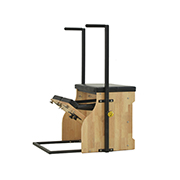
Medium/larger spaces: If you have a home gym or spare room, a Reformer (choose a foldable model if still tight on space) or a Wunda Chair can elevate your practice. These machines use springs for resistance and support deeper muscle engagement.
Evaluate Equipment Types & Their Uses
Let’s break down the most common Pilates tools and who they’re best for:
Pilates Mat: The foundation of any practice. Opt for a non-slip, durable mat to prevent slipping during moves like the Hundred. Great for all levels, especially those practicing at home or in group classes.
Pilates Ring (Magic Circle): A small, circular tool with padded handles. It adds gentle resistance to exercises like leg lifts or arm circles, making it ideal for targeting small muscle groups. Perfect for intermediates or anyone looking to intensify mat workouts without bulky equipment.
Resistance Bands: Lightweight and versatile, bands come in different resistance levels (light, medium, heavy). They’re great for adding tension to moves like glute bridges or side bends. Beginners can start with light bands, while advanced users can use heavier ones for more challenge.
Reformer: A iconic Pilates machine with a sliding carriage and springs. It offers controlled resistance, making it suitable for all levels—beginners can use lighter springs to learn form, while advanced users can increase resistance for strength training. Note: Reformers are more expensive and take up space, so they’re best for those committed to regular practice or with dedicated workout areas.
Stability Ball: A large, inflatable ball that improves balance and core strength. It’s affordable and easy to store when deflated. Use it for exercises like ball roll-outs or seated twists—great for beginners or anyone adding variety to their routine.
Final Tips for Choosing
Test before buying: If possible, try equipment in a Pilates studio (many offer trial classes) to see how it feels. A Reformer might look great, but you may prefer the portability of a mat and ring.
Set a budget: Mat and bands are budget-friendly , while Reformers can cost )1,000 or more. Focus on tools that fit your budget and goals—you don’t need a full studio setup to get results.
Think long-term: If you plan to advance your practice, choose equipment that grows with you. For example, a set of resistance bands (multiple levels) or a foldable Reformer can adapt as your skills improve.
By focusing on your goals, space, and experience, you can choose Pilates equipment that enhances your practice and keeps you motivated. Whether you’re practicing at home or in a studio, the right tools will help you get the most out of every move.