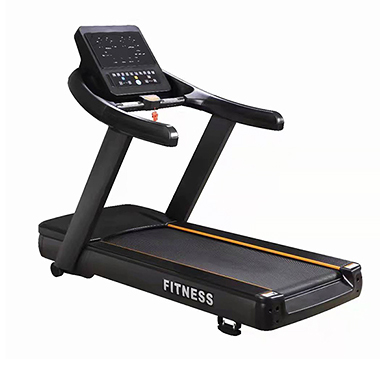
Stepping onto a commercial treadmill without proper warm-up is like driving a car at full speed without letting the engine warm up—you risk unnecessary strain and potential injury. Whether you’re a gym regular or a beginner, a well-designed warm-up routine is non-negotiable before lacing up your sneakers for a treadmill session. It boosts blood flow, loosens tight muscles, and primes your body for the physical demands ahead, making your workout safer and more effective.

Why Warm-Up Matters for Treadmill Workouts
Commercial treadmills offer consistent speed and incline settings, but they also require repetitive motions—like continuous walking or running—that can stress your joints, calves, quads, and hamstrings. A proper warm-up raises your core body temperature by 1-2 degrees Celsius, which increases muscle elasticity. This reduces the chance of pulls or tears, especially when you transition to faster paces or steeper inclines. Additionally, warming up enhances neuromuscular coordination, helping your brain and muscles communicate better to maintain proper form throughout your workout.
Step-by-Step Warm-Up Routine (10-15 Minutes)
1. Light Cardiovascular Activation (5 Minutes)
Start with 5 minutes of low-intensity movement to get your heart rate up gradually. On the treadmill, set the speed to 2.5-3.5 mph (4-5.6 km/h) and keep the incline at 0-1%. Walk at this pace, focusing on relaxed breathing—inhale through your nose, exhale through your mouth. This phase isn’t about burning calories; it’s about gently increasing blood flow to your working muscles, from your feet up to your hips and torso.
2. Dynamic Stretching (3-5 Minutes)
Skip static stretches (holding a pose for 30 seconds) here—they’re better saved for post-workout. Instead, do dynamic stretches that mimic treadmill movements to activate specific muscle groups:
Leg Swings (Front-to-Back and Side-to-Side): Hold the treadmill’s handrail, swing one leg forward and back (10 times), then side to side (10 times). Switch legs. This loosens your hip flexors and glutes.
Calf Raises: Stand tall, hold the handrail, and rise onto your toes (15 times). Lower slowly to stretch your calves—critical for supporting your feet during running.
High Knees (Marching): Increase the treadmill speed slightly (3.5-4 mph/5.6-6.4 km/h) and march in place, lifting your knees to hip height (30 seconds). This engages your quads and prepares your body for faster strides.
3. Joint Mobility (2-3 Minutes)
Don’t forget your upper body and joints—they play a role in maintaining balance on the treadmill.
Shoulder Circles: Hold the handrail lightly, make small circles with your shoulders (10 forward, 10 backward) to release tension.
Ankle Rotations: While standing, lift one foot off the treadmill belt, rotate your ankle (10 clockwise, 10 counterclockwise). Repeat with the other foot to improve ankle flexibility.
Torso Twists: Keep your feet shoulder-width apart, hold the handrail with one hand, and gently twist your torso to the side (10 times per side). This loosens your lower back, which stabilizes your body during movement.
Pro Tips for a Safe Warm-Up
Listen to Your Body: If a stretch causes pain (not mild discomfort), stop. Tight muscles? Spend an extra 1-2 minutes on dynamic stretches for that area.
Adjust for Fitness Level: Beginners can start with a slower treadmill speed and shorter warm-up (8 minutes), while advanced users might add 2-3 minutes of brisk walking or light jogging to their cardio activation phase.
Stay Hydrated: Sip water before your warm-up—dehydration can make muscles stiffer, so keep a water bottle nearby.
By taking 10-15 minutes to warm up properly, you’ll not only protect your body but also set the stage for a stronger, more enjoyable treadmill workout. Remember: a great workout starts with a great warm-up.