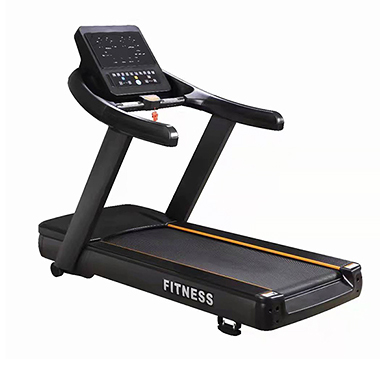
Commercial treadmills are workhorses in gyms, hotels, and fitness centers, enduring daily use by multiple users. Proper maintenance not only keeps them running smoothly but also prevents costly repairs and extends their service life. Follow this guide to establish a reliable maintenance routine.

Daily Maintenance Tasks
Start with simple, daily checks to catch small issues early. After each use or at the end of the day:
Wipe Down the Surface: Use a mild, non-abrasive cleaner and a microfiber cloth to remove sweat, dirt, and fingerprints from the console, handrails, and running belt. Avoid harsh chemicals that can damage plastic or rubber parts.
Inspect for Debris: Check the area around the treadmill—especially under the running belt and motor cover—for dust, hair, or small objects. These can clog vents or damage moving parts if left unchecked.
Test Safety Features: Ensure the emergency stop key (magnetic or pull-cord) works properly. Press or pull it to confirm the treadmill shuts down immediately.
Weekly Maintenance Steps
Set aside time each week for more thorough care:
Lubricate the Running Belt: Most commercial treadmills require silicone-based lubricant to reduce friction between the belt and deck. Refer to the manufacturer’s manual for the right lubricant type and frequency (usually every 10-15 hours of use). Lift the belt slightly, apply lubricant evenly along the deck, then run the treadmill at a slow speed for 5 minutes to distribute it.
Check Belt Tension and Alignment: A loose belt can slip, while an overly tight one strains the motor. To test tension, lift the belt 2-3 inches from the deck—if it’s too loose or tight, adjust using the bolts at the rear of the treadmill. For alignment, ensure the belt stays centered; if it drifts left or right, tweak the adjustment bolts gently.
Clean Air Vents: Use a soft brush or compressed air to clear dust from the motor and electronics vents. Blocked vents cause overheating, which shortens the motor’s lifespan.
Monthly and Quarterly Deep Maintenance
For long-term performance, schedule deeper checks every 1-3 months:
Inspect Moving Parts: Check the roller bearings, drive belt, and pulley system for signs of wear (e.g., squeaking noises, frayed edges). Tighten loose bolts and replace worn parts promptly—delays lead to more extensive damage.
Calibrate the Console: Ensure the speed, incline, and heart rate monitors are accurate. Use a speedometer app or manual measurement (e.g., mark the belt and count rotations) to verify speed, and adjust the console settings if needed.
Clean the Motor and Electronics: Turn off the treadmill and disconnect the power. Use a dry cloth to wipe dust from the motor and circuit board—never use water, as it can cause electrical shorts. If you’re not comfortable with this, hire a professional technician.
Final Tips
Follow the Manufacturer’s Manual: Every treadmill model has specific maintenance requirements—always refer to the manual for lubricant types, part numbers, and service intervals.
Train Users to Report Issues: Encourage gym members or staff to report strange noises, slipping belts, or error messages immediately. Early detection saves time and money.
Schedule Professional Servicing: Even with regular DIY maintenance, have a certified technician inspect the treadmill annually. They can spot hidden issues (e.g., worn motor brushes) that DIY checks might miss.
By following this maintenance routine, you’ll keep your commercial treadmill running efficiently for years, reduce downtime, and protect your investment.