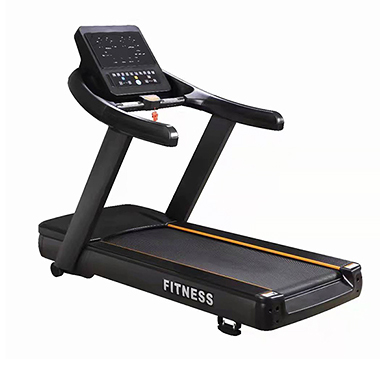
If you’re on the hunt for home fitness equipment, you’ve probably stumbled across manual treadmills. Unlike motorized models that power the belt for you, these machines rely entirely on your own effort to get moving. But is a manual treadmill the right pick for your workout goals? Let’s break down its key advantages and drawbacks to help you decide.

The Big Advantages of Manual Treadmills
First, cost-effectiveness is a major win. Manual treadmills typically cost half (or even less) than motorized ones. For budget-conscious buyers or those new to home workouts, this makes them an accessible entry point—no need to splurge on a high-tech machine just to start walking or jogging regularly.
They’re also space-saving and portable. Most manual models are compact, with a slim design that fits easily in small apartments, closets, or even under beds when folded (many come with foldable frames). Unlike heavy motorized treadmills that require permanent floor space, you can move a manual one around with minimal effort—perfect if you’re short on room.
Energy efficiency is another plus. Since they don’t run on electricity, you’ll save on your utility bills and avoid the hassle of finding a nearby power outlet. This also makes them great for use in garages, basements, or even outdoor patios (just keep them out of rain!)—no cords holding you back.
From a workout perspective, manual treadmills offer better muscle engagement. Because you have to push the belt forward with each step, you’ll activate more muscles in your legs (quads, hamstrings, calves) and core compared to motorized treadmills. Many users find this leads to a more intense, calorie-burning session—ideal if you want to maximize every minute of exercise.
The Drawbacks to Consider
Manual treadmills aren’t without downsides, though. The biggest one is inconsistent speed control. Since your pace depends on your own effort, it can be harder to maintain a steady speed—especially during longer workouts. If you prefer structured, predictable sessions (like interval training with set speeds), this might be frustrating.
They also have limited incline options. Most manual treadmills only offer a small, fixed incline (or none at all). If you want to challenge yourself with steeper hills to boost calorie burn or build leg strength, you’ll likely be disappointed—motorized models are far better for this.
Finally, durability can be an issue with cheaper models. Since the belt relies on your movement, it can wear out faster if the treadmill isn’t made with high-quality parts. If you plan to use it frequently (or weigh more than 200 pounds), you’ll need to invest in a sturdier, more expensive manual treadmill to avoid frequent repairs.
Who Should (and Shouldn’t) Buy a Manual Treadmill?
Manual treadmills work best for:
Budget shoppers who want a basic home workout tool.
People with small living spaces who need a portable, foldable option.
Walkers or casual joggers (not serious runners) who want to stay active.
They’re not ideal for:
Serious runners who need consistent speed or incline control.
Anyone who prefers structured, high-intensity workouts.
People who want a long-lasting machine without investing in a mid-range model.
At the end of the day, a manual treadmill is a practical choice for those prioritizing affordability and space over advanced features. If you’re willing to put in a little extra effort to control your pace, it can be a great way to stay fit at home. Just make sure to weigh its limitations against your workout goals before hitting “buy.”