The Hygiene Factor: A Barrier Against Illness
In fitness, a clean gym isn’t a luxury—it’s essential for health. Gyms naturally breed bacteria and viruses due to close human contact, shared equipment, and sweat.
Studies confirm high bacterial levels on gear: a treadmill handle, for example, can hold thousands of bacteria like Staphylococcus aureus. This common microbe (found on skin and in noses) causes skin infections, respiratory issues, or worse if it enters via cuts or weak immunity. Skipping post-use cleaning spikes cross-contamination risks.
Dirty gyms have far-reaching health impacts: poorly maintained spaces spread colds and flu (virus-laden droplets land on equipment/floors, then transfer to faces); locker rooms/shower floors (warm and moist) breed fungi like athlete’s foot and ringworm without regular disinfection; and unhygienic restrooms may harbor E. coli, leading to diarrhea or vomiting if hands touch contaminated surfaces then mouths.

Psychological Well-Being in a Tidy Space
Beyond physical health, gym cleanliness shapes mental well-being—it creates a calm, positive space for workouts.
A clean gym (spotless floors, shiny gear, fresh air) is visually inviting and cuts anxiety. A Journal of Environmental Psychology study found people in tidy spaces have lower stress hormones, letting gym-goers focus on workouts instead of messy surroundings.
Cleanliness also boosts motivation: new or routine seekers feel management’s professionalism, encouraging return visits. Conversely, litter, dirty mirrors, or smelly lockers demotivate—over 70% of members (per surveys) avoid unclean gyms. Dirty spaces also spark disgust, which can link exercise to negativity, derailing long-term routines.
Equipment Longevity and Performance
Cleanliness preserves gym equipment (a major investment) and keeps it functional.
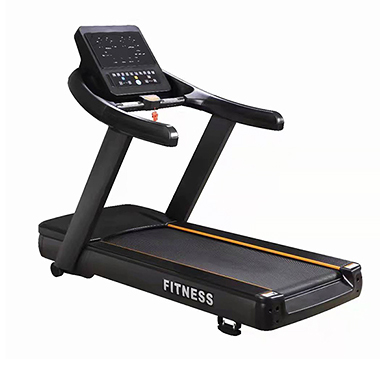
Take treadmills: sweat’s salts corrode consoles, belts, and motors over time, weakening structures and causing breakdowns. Regular cleaning with proper agents prevents this. Dumbbells suffer too—sweaty hands chip paint, exposing metal to moisture and rust (ruining appearance, skewing weight accuracy, and risking injury). Exercise bikes need clean chains/gears: dirt builds friction, wearing parts early and reducing efficiency (regular cleaning/lubrication fixes this).
Modern gear’s electronics also benefit: sweaty, dirty touchscreens on high-tech treadmills/ellipticals malfunction, and unkept sensors give inaccurate heart rate/speed readings. Cleanliness avoids costly repairs and keeps workouts safe.
A Reflection of Professionalism and Care
A gym’s cleanliness directly shows management’s professionalism and care—it proves the gym values members.
Well-maintained locker rooms (daily-cleaned lockers, fresh air) or organized workout areas (neat weights, spaced cardio gear) signal attention to detail, making members feel respected. High-end gyms even offer convenient facilities such as fresh towels to enhance a sense of belonging.Surveys link strong cleanliness standards to higher member retention—people stay loyal to gyms that match their health values.
Clean gyms also use clear hygiene signs (e.g., “Wipe gear after use”), showing proactive care and building a responsible culture. Dirty gyms, by contrast, seem negligent, eroding trust and shrinking memberships.
Conclusion: The Indispensable Clean Gym
In short, a clean gym matters for every part of the gym experience: it defends against illness via cross-contamination prevention; fosters a positive, motivating space for mental focus; protects equipment (cutting repair costs); and proves management’s professionalism (boosting loyalty).
As health and fitness grow in importance, gym cleanliness can’t be overlooked. Owners, staff, and members must all help maintain a clean environment—ensuring gyms remain safe places to pursue healthier, fitter lives.