Opening a gym is an exciting entrepreneurial journey, blending passion for fitness with business acumen. Success hinges on strategic planning, and one of the most critical decisions is selecting the right equipment. Here’s an expanded guide to help you launch a thriving fitness space.

Start with Market ResearchBefore signing a lease, study your area. Who’s your target demographic? Young professionals might crave a sleek, tech-integrated gym, while families could prefer a kid-friendly space with versatile equipment. Check competitors—what’s missing? A gap (e.g., no dedicated yoga area or lack of heavy-duty powerlifting gear) could be your niche. Survey locals via social media or community boards to validate demand.
Secure Funding and LegalitiesBudget realistically: Rent (aim for 10-15% of projected revenue), utilities, staff salaries, and equipment (often 40-60% of initial costs) add up. Explore loans, investors, or crowdfunding. Then, tackle paperwork: business licenses, liability insurance, and health department permits (critical for locker rooms and sanitization). Zoning laws matter too—some areas restrict gyms due to noise, so test sound levels with equipment demos.
Equip Smartly: Essentials + ExtrasBegin with the basics, tailored to your niche:
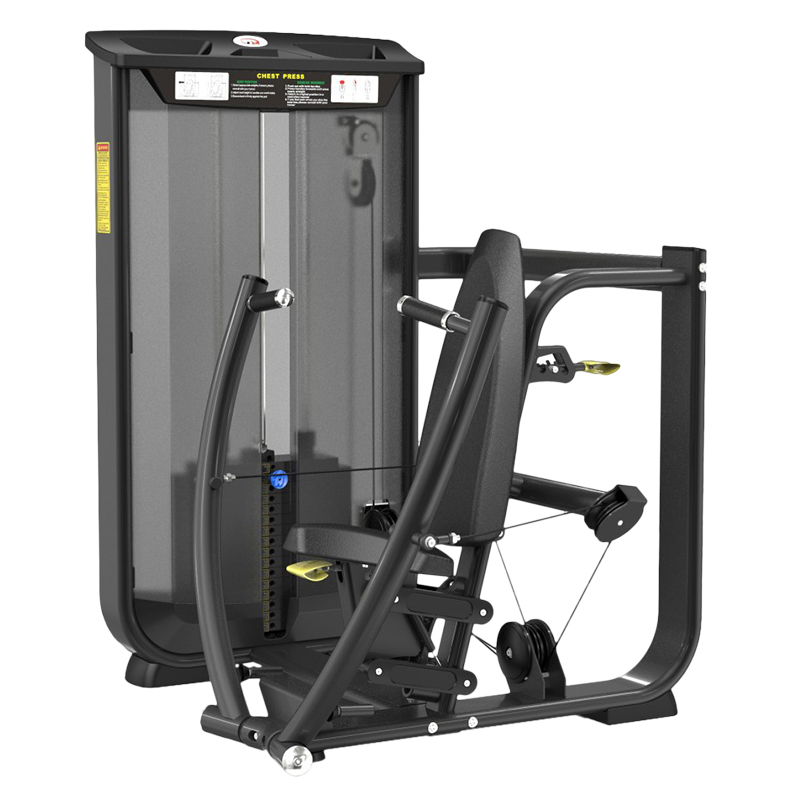
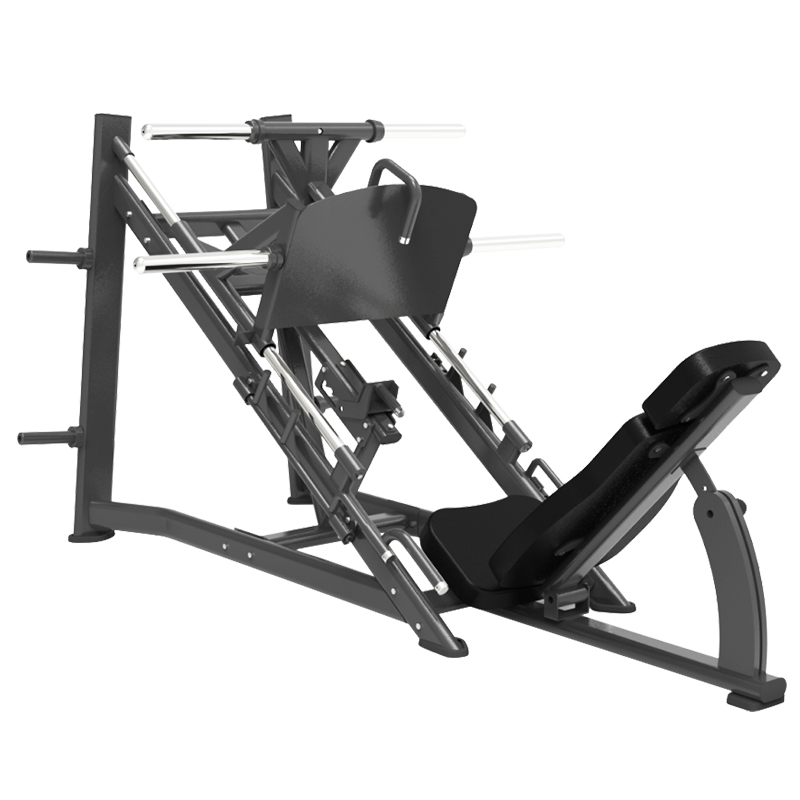
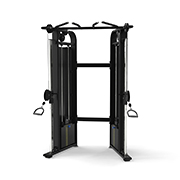
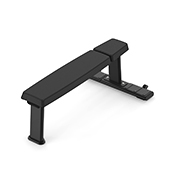
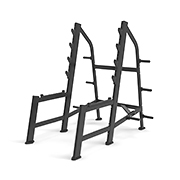
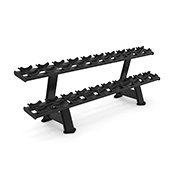
Strength Training: Adjustable dumbbells (5-120 lbs) save space; invest in 2-3 squat racks, a bench press, and cable machines for versatility. Add weight plates (rubber-coated to reduce noise) and a deadlift platform if targeting serious lifters.
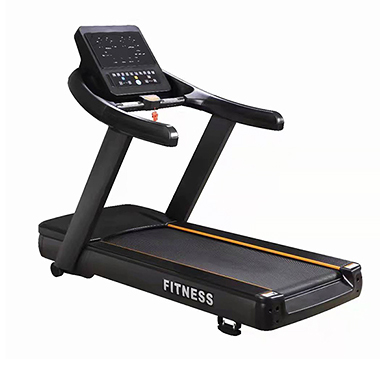
Cardio: Mix treadmills (with incline options), ellipticals, and spin bikes. For small spaces, foldable treadmills or stair climbers work. Smart cardio machines with app connectivity (e.g., Peloton-style bikes) attract tech-savvy users.
Functional Fitness: Kettlebells (8-50 lbs), battle ropes, and TRX suspension trainers cater to HIIT fans. A turf area for sled pushes or agility drills adds value.
Amenities: Don’t skimp on mirrors (essential for form checks), water stations, and durable flooring (rubber mats for weights, vinyl for cardio zones).
Space Design MattersMaximize flow: Place cardio near windows to boost mood, group strength equipment by muscle groups (e.g., back machines together), and leave 6+ feet between racks for safety. Allocate 10-15% of space for stretching or a studio if offering classes (yoga, Pilates). Locker rooms need ventilation and easy-to-clean surfaces—invest in high-quality showers to enhance retention.
Test, Launch, IterateHost a soft opening with a small group to test equipment usability. Gather feedback: Is the treadmill speed range sufficient? Are dumbbells easy to access? Use this to tweak layouts or add gear. Post-launch, track which equipment gets the most use—replace underused items with popular ones (e.g., more resistance bands if members ask).
Opening a gym is about meeting community needs. With careful planning, quality equipment, and a focus on user experience, your gym can grow from a startup to a local fitness hub. Stay adaptable, listen to members, and keep up with trends—and you’ll build a space that inspires long-term fitness journeys.