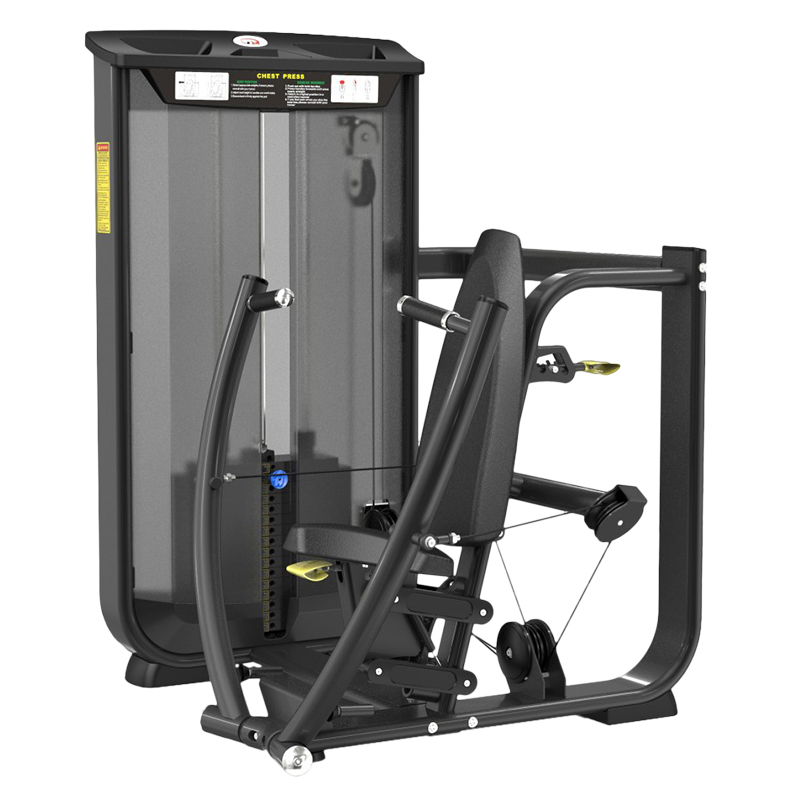
If you’re tired of flat, underdeveloped pecs or struggling to target your chest muscles effectively at the gym, the butterfly machine might be your secret weapon. Often overlooked by gym-goers who stick to benches or push-ups, this machine is designed to isolate and activate your pectoral muscles—making it perfect for building size, defining the chest gap, and avoiding shoulder strain. Whether you’re a total beginner or a seasoned lifter looking to boost your chest gains, these 3 science-backed moves will help you maximize your butterfly machine workouts.

1. Standard Butterfly Machine Press: The Foundation of Chest Growth
The standard press is the most classic butterfly machine exercise, and for good reason—it targets the entire chest, from the upper pecs to the lower fibers, while keeping your shoulders in a safe, stable position.
How to do it: Sit on the machine with your back flat against the pad and your feet firmly on the floor. Grasp the handles with a neutral grip (palms facing each other) at chest height. Slowly push the handles together in front of you, squeezing your chest muscles as hard as possible at the top of the movement. Pause for 1–2 seconds, then lower the handles back to the starting position in a controlled motion.
Pro tip for beginners: Start with a light weight (10–15 lbs per side) to master your form. Focus on the “squeeze” rather than lifting heavy—this mind-muscle connection will ensure your pecs, not your shoulders, do the work. Aim for 3 sets of 12–15 reps.
2. Incline Butterfly Press: Target Upper Chest Weakness
Most people struggle to build their upper chest, which can lead to an unbalanced, “droopy” chest appearance. The incline butterfly press fixes this by tilting your torso to shift tension to the upper pectoral fibers—an area often neglected in standard chest workouts.
How to do it: Adjust the machine’s seat to a 30–45-degree incline. Sit down with your chest pressed against the incline pad and grab the handles at shoulder height. Push the handles upward and together, focusing on contracting the top of your chest. Lower slowly, letting the handles return to the starting position without letting your shoulders hunch.
Why it works: The incline angle aligns the movement with the upper chest’s natural fiber direction, making it easier to isolate and fatigue this muscle group. Pair it with the standard press for full-chest development. Do 3 sets of 10–12 reps.
3. Slow-Negative Butterfly: Boost Muscle Hypertrophy
Muscle growth (hypertrophy) happens when you challenge your muscles with both tension and time under load. The slow-negative butterfly emphasizes the “lowering” phase of the movement—where your chest muscles work eccentrically—to create more micro-tears and trigger growth.
How to do it: Set up like the standard press, but use a weight that’s 10–20% heavier than your usual load. Push the handles together quickly (1 second), then lower them very slowly (3–4 seconds) back to the start. Keep your chest engaged the entire time—don’t let gravity pull the handles down.
Beginner note: If the slow lower feels too hard, reduce the weight. The goal is control, not struggle. This move is great for breaking through plateaus; add it to your routine 1–2 times per week for 3 sets of 8–10 reps.
Final Tips for Beginner Success
Warm up first: Spend 5–10 minutes on a cardio machine (treadmill, elliptical) and do 1 set of light reps (15–20) on the butterfly machine to loosen your chest and shoulders.
Avoid common mistakes: Don’t arch your back, swing the handles, or lock your elbows—these habits reduce chest activation and increase injury risk.
Be consistent: Chest muscles need time to grow. Stick to this routine 2–3 times per week, and you’ll start seeing fuller, more defined pecs in 4–6 weeks.
The butterfly machine isn’t just for advanced lifters—it’s a beginner-friendly tool that delivers real results when used correctly. With these 3 moves, you’ll stop wasting time on ineffective chest workouts and start building the strong, sculpted chest you want.
If you need help, I can further optimize this article by adding gym-specific vocabulary or adjusting the rep ranges to match popular fitness trends in your target region.