Introduction
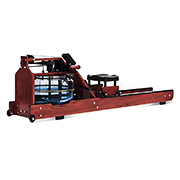
In today’s fast-paced world, many people wonder: “How fast can I see fitness results?” This has led to growing interest in rowing machines. Whether you’re new to fitness, an athlete, or just aiming for better health, understanding the rowing machine’s benefits and result timeline matters. This article breaks down its effectiveness and when you’ll see progress.

The Magic of the Rowing Machine
Full-Body Workout
The rowing machine targets over 84% of your muscles. Legs (quads, hamstrings, glutes) power the push-off, while core muscles (abs, obliques, lower back) stabilize your form. Upper body muscles—lats, rhomboids, trapezius, biceps, and forearms—work hard to pull the handle. A study in the Journal of Strength and Conditioning Research found rowing boosts upper back muscle activation by up to 40% vs. some isolation exercises.
Cardiovascular Benefits
Rowing is great aerobic exercise: it raises your heart rate, boosting cardiovascular endurance. The American Heart Association notes it lowers heart disease risk by strengthening the heart, reducing blood pressure, and improving cholesterol. A meta-analysis showed 12 weeks of regular rowing cuts resting heart rate by 10% on average—sign of better heart health.
Calorie Burn
Rowing burns calories efficiently. A 150-pound person burns 300–400 calories in 30 minutes of moderate rowing. High-intensity interval training (HIIT) on a rowing machine (short intense bursts + rest) is even better: a 15-minute HIIT session burns 200–250 calories, making it ideal for weight management.
Factors Affecting Result Timelines
Frequency of Use
Consistency counts. Sporadic use (once a week) slows progress; 2–3 weekly sessions work for beginners, while 4–5 sessions suit more advanced users. Research shows 3–4 weekly 30-minute rows lead to bigger cardio and strength gains in 8–12 weeks vs. 1–2 sessions.
Intensity of Workouts
Low-intensity rowing builds endurance, but high-intensity (like HIIT) drives faster weight loss or muscle definition. A Journal of Applied Physiology study found 20-minute HIIT rows (3x/week) led to more fat loss in 6 weeks than 45-minute moderate rows. Adjust intensity via resistance, stroke rate, or intervals.
Individual Differences
Starting fitness level, metabolism, and genetics matter. Sedentary people may see energy boosts or minor weight loss in 2–4 weeks; fit individuals need more time for subtle changes. Faster metabolism speeds weight loss, while genetics influence muscle growth.
Realistic Time Frames for Goals
Weight Loss
Aim for 3–4 weekly rows + a balanced diet: expect 1–2 pounds lost weekly. Clothes may fit better in weeks (muscle replaces fat), with visible body shape changes (lower fat, more tone) in 8–12 weeks.
Muscle Toning
Do 3–5 weekly rows (focus on form). You’ll feel stronger/tighter muscles in 4–6 weeks; noticeable definition (legs, core, upper back) takes 8–12 weeks. Increase resistance over time for better results.
Overall Fitness
Energy levels rise in 2–3 weeks; cardio endurance improves in 4–6 weeks (row longer/faster without fatigue). In 8–12 weeks, you’ll see better strength, balance, posture, and less stress.
Tips to Accelerate Results
Proper Form
Correct form maximizes results and avoids injury: Sit with feet secure, back straight, and start the stroke with legs (not arms). Control the return phase—don’t use momentum (avoids back pain).
Combine with Other Exercises
Pair rowing with strength training (squats, push-ups) for balanced muscle growth, or alternate rowing with other cardio (treadmill, cycling) to avoid plateaus.
Diet and Rest
Eat complex carbs (energy), lean protein (muscle repair), and healthy fats. Stay hydrated. Get 7–9 hours of sleep nightly, and take rest days—overtraining causes fatigue or injury.
Conclusion
The rowing machine offers full-body workouts, better cardio, and strong calorie burn. Results depend on frequency, intensity, and individual factors, but you’ll see positive changes in weeks with consistency. Stick to proper form, mix in other exercises, and prioritize diet/rest—you’ll reach your fitness goals and enjoy a healthier lifestyle.