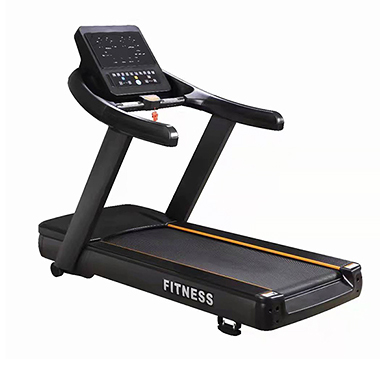
In the quest for effective yet gentle fitness, recumbent exercise bikes stand out as a game-changer. Unlike traditional upright bikes, their laid-back design with a supportive backrest and wider seat transforms how we approach daily workouts—combining fat-burning power with much-needed joint care. Whether you’re a busy professional, a senior looking to stay active, or someone recovering from an injury, these machines offer a way to move without strain. Let’s break down the 5 core benefits that make them a top choice for fitness lovers worldwide.

First, they excel at efficient fat burning while being low-impact. Recumbent bikes engage major muscle groups—including your legs, glutes, and even your core—as you pedal. This steady movement boosts your heart rate into the fat-burning zone (typically 60-70% of your maximum heart rate) without jolting your knees, hips, or ankles. Unlike running or high-intensity interval training (HIIT), which can stress joints, you can cycle for 30-45 minutes comfortably, burning 200-400 calories per session depending on your intensity—perfect for consistent, long-term fat loss.
Second, they provide superior joint protection, a must for many users. The reclined position shifts your weight away from your lower back and joints, reducing pressure on areas prone to pain. For anyone with arthritis, knee injuries, or lower back issues, this means staying active without worsening discomfort. Even if you’re injury-free, the low-impact nature helps prevent overuse injuries, letting you stick to your fitness routine longer.
Third, they offer unmatched comfort for extended workouts. The padded backrest supports your spine, and the wide, cushioned seat eliminates the soreness that comes with upright bikes or spin classes. You can even read a book, listen to a podcast, or watch a show while pedaling—making workouts feel less like a chore and more like a relaxing break. This comfort encourages longer session times, which in turn leads to better fitness results.
Fourth, they’re versatile for all fitness levels. Beginners can start with slow, steady pedaling to build stamina, while advanced users can crank up the resistance or add interval training (e.g., 1 minute of fast pedaling followed by 2 minutes of rest) to challenge themselves. Many models also come with pre-programmed workouts—like hill climbs or calorie-burn targets—that adapt to your goals, so you never get bored.
Finally, they’re space-friendly and easy to use at home. Most recumbent bikes have a compact design that fits in bedrooms, home offices, or small living spaces. They’re also straightforward to set up—no complex assembly required—and come with user-friendly displays that track your time, distance, calories burned, and heart rate. This accessibility means you can squeeze in a workout anytime, without the hassle of going to a gym.
In short, recumbent exercise bikes aren’t just a “softer” alternative to other cardio machines—they’re a smart investment in sustainable fitness. They let you burn fat, protect your joints, and stay consistent, all while staying comfortable. If you’re ready to ditch the workout pain and embrace a more enjoyable way to stay active, a recumbent exercise bike might be exactly what you need.
Would you like me to add 5 practical tips for choosing the right recumbent exercise bike at the end of the article? This will help readers take the next step and boost the article’s usefulness for searchers.