Are you tired of struggling with your squat and eager to take your strength to the next level? Whether you're a beginner just starting your fitness journey or an intermediate lifter looking to break through a plateau, this comprehensive guide will provide you with the essential tips and strategies to boost your squat performance.

Master the Basics
Before you start piling on the weight, it's crucial to master the proper squat form. A correct squat involves keeping your feet shoulder-width apart, toes slightly turned out, and your back straight. As you lower your body, imagine sitting back into a chair, ensuring your knees don't go past your toes. Using mirrors or recording yourself can be extremely helpful in identifying and correcting any form issues.
Progressive Overload
Progressive overload is the cornerstone of strength gain. Gradually increase the weight, reps, or sets of your squats over time. For example, you can add 2.5 - 5 pounds to the barbell every week or increase the number of reps by 1 - 2. This continuous challenge forces your muscles to adapt and grow stronger. However, don't rush the process; give your body enough time to recover between sessions.
Incorporate Accessory Exercises
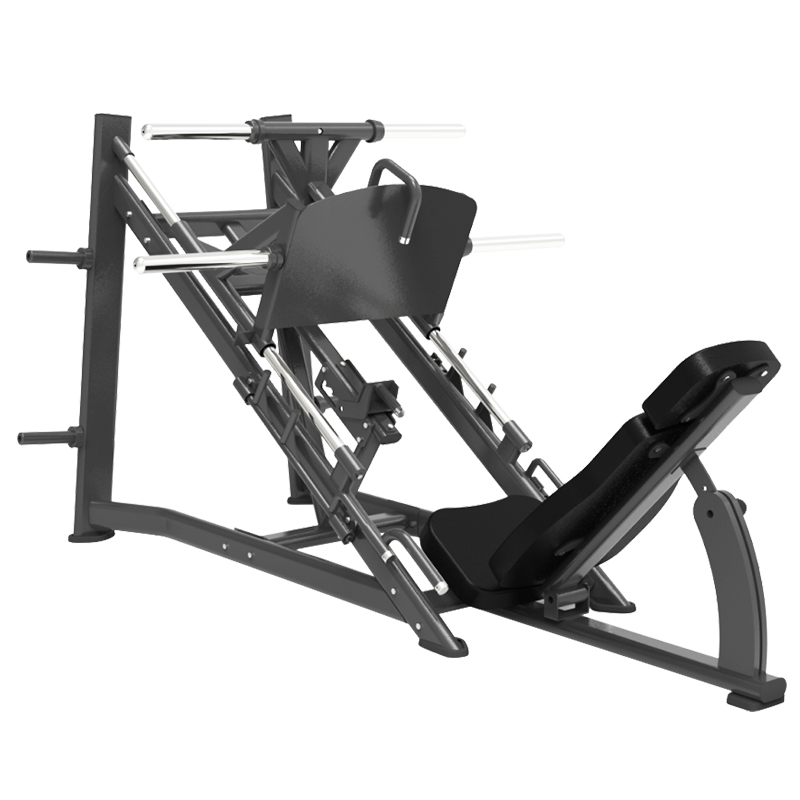
To build a stronger squat, it's essential to target the muscles involved in the movement. Exercises like lunges, leg presses, and deadlifts can help strengthen your quadriceps, hamstrings, glutes, and lower back. Additionally, core-strengthening exercises such as planks and Russian twists can improve your stability and balance during squats. Aim to include 2 - 3 accessory exercises in your weekly routine.
Optimize Your Diet
Nutrition plays a vital role in muscle growth and recovery. Consume a balanced diet rich in protein, carbohydrates, and healthy fats. Protein is especially important for repairing and building muscle; good sources include lean meats, fish, eggs, and dairy products. Carbohydrates provide the energy needed for intense workouts, while healthy fats support overall health. Make sure to stay hydrated as well, as dehydration can negatively impact your performance.
Rest and Recovery
Your muscles grow and repair during rest, so getting enough sleep is crucial. Aim for 7 - 9 hours of quality sleep each night. Additionally, incorporate rest days into your training schedule to prevent overtraining and reduce the risk of injury. Active recovery methods like foam rolling and stretching can also help relieve muscle soreness and improve flexibility.
Mental Preparation
Squatting heavy weights requires mental toughness. Visualize yourself successfully completing each rep, and focus on your breathing. Take a deep breath before starting the squat, hold it as you lower your body, and exhale as you push back up. Staying positive and believing in your abilities can make a significant difference in your performance.
By following these tips and strategies, you'll be well on your way to achieving your squat goals. Remember, consistency and patience are key. With dedication and the right approach, you can transform from a novice to a pro and watch your squat numbers soar!