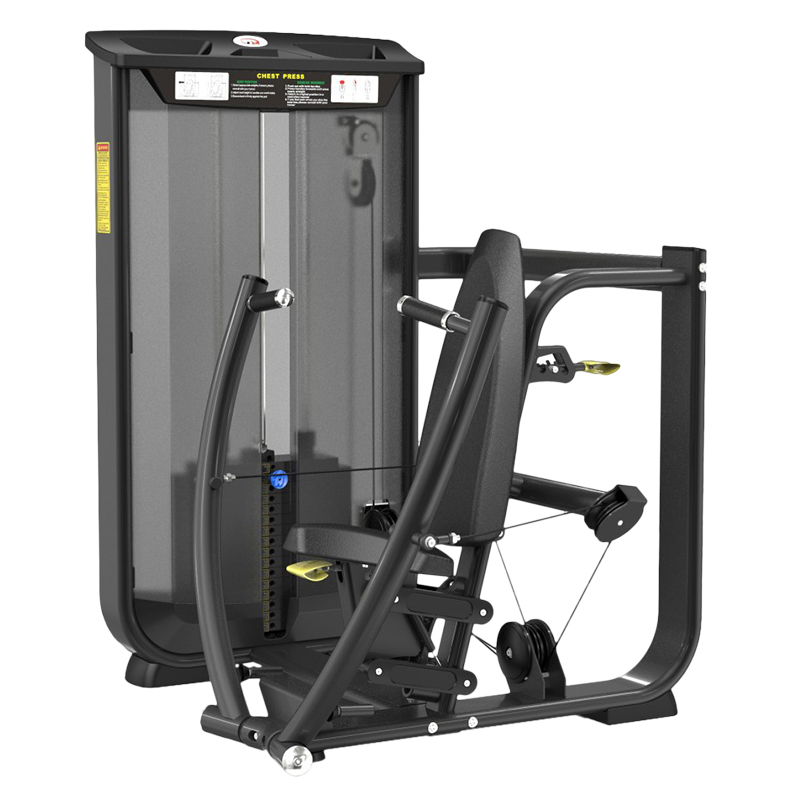
If you’re new to the gym and chasing a fuller, more sculpted chest, the Pectoral Fly (often called the “butterfly machine fly”) is non-negotiable. This beginner-friendly isolation exercise targets your pectoralis major (the large chest muscle) with precision—no balance or heavy weights required, making it perfect for building a strong foundation before tackling more complex compound lifts.

How to Do the Pectoral Fly Correctly (Step-by-Step)
Set Up the Machine: Adjust the seat height so the handles align with the midpoint of your chest (not too high or low—this ensures proper muscle engagement). Sit with your back fully pressed against the support pad, feet flat on the floor (or a footrest, if needed) to stabilize your lower body.
Grip & Posture: Grab the handles with a neutral or slight overhand grip (avoid gripping too tightly—this tenses your forearms unnecessarily). Keep your elbows slightly bent (a 15–20° angle; locking them strains joints) and your shoulders relaxed (don’t hunch up toward your ears). Engage your core to keep your torso still.
The Movement: Exhale slowly as you squeeze your chest muscles to bring the handles together in front of your sternum (imagine “pinching a pencil” between your pecs). Hold the contraction for 1–2 seconds—this is where the muscle fibers are actively challenged. Inhale as you control the release back to the starting position (don’t let the machine’s weight snap your arms open—this risks shoulder injury).
Why It Works Better for Beginners Than You Think
Unlike bench presses (which rely on triceps, shoulders, and core stability), the Pectoral Fly isolates the chest—so new lifters can build a mind-muscle connection (the ability to “feel” the muscle working) faster. A 2023 study in the Journal of Strength and Conditioning Research found that beginners using the butterfly fly activated their pectoralis major 22% more effectively than those doing barbell bench presses (since form breakdown is less likely on a machine). It also minimizes shoulder stress: the fixed path of the handles keeps your shoulders in a safe, neutral position—critical for those new to lifting.
Common Mistakes to Avoid (That Kill Results)
Arching Your Back: Leaning backward shifts tension to your lower back and takes stress off your chest. Keep your spine flat against the pad throughout the rep.
Using Too Much Weight: Start with 5–10 lbs (or the lightest setting on the machine) to master form. Heavy weights force you to use momentum (not muscle) and increase injury risk.
Cutting the Range of Motion: Don’t stop halfway when bringing the handles together—fully squeeze your pecs at the top, then let the handles open until you feel a stretch in your chest (but don’t overstretch your shoulders).
Rushing Reps: Aim for 3 sets of 12–15 slow, controlled reps (2 seconds to squeeze, 2 seconds to release). Speed = lazy muscle activation.
How to Pair It for a Complete Chest Day
Add the Pectoral Fly after compound moves (like push-ups or incline dumbbell presses) in your chest routine. Compound lifts build overall strength, while the fly finishes off your pecs by targeting the inner chest (the “cleavage” area) and lower chest (which lifts and defines the shape)—spots that basic moves often miss. For example:
Push-ups: 3 sets of 10–12 reps
Incline dumbbell press: 3 sets of 10 reps
Pectoral Fly: 3 sets of 12–15 reps
Pro Tip for Faster Growth
To boost muscle engagement, focus on the squeeze: when the handles meet in front of you, visualize your chest muscles “crushing” a small ball. This mental cue amplifies muscle activation, even with light weights.
Whether you want a fuller chest for aesthetics or better functional strength (think: pushing heavy furniture or carrying kids), the Pectoral Fly is the beginner’s secret weapon. Skip the confusing chest exercises—grab that butterfly machine, nail the form, and start squeezing your way to a defined, strong chest.