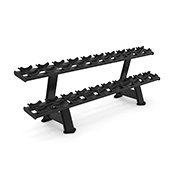
If you’re tired of generic core exercises with minimal results, it’s time to level up your fitness routine with the Roman Chair. This underrated gym essential is a transformative tool for sculpting toned abs and correcting postural imbalances. Unlike beginners who stick to basic hyperextensions, advanced Roman Chair workouts take core activation, strength building, and posture improvement to new heights. Let’s master the key movements, avoid common pitfalls, and achieve a physique transformation.

Core Advantages of Advanced Roman Chair Training
The Roman Chair (also called a hyperextension bench) targets more than just the abs—it engages the entire posterior chain, including the lower back, glutes, and hamstrings. It builds functional strength that transfers to daily activities and other workouts, rather than isolating local muscles.
For "rounded shoulders and hunchback" caused by prolonged sitting, the Roman Chair strengthens the erector spinae muscles and core stabilizers, training the body to naturally maintain a neutral spine and improve posture at its root. Its controlled resistance enhances abdominal muscle contraction intensity, making it easier to build toned midsection lines compared to bodyweight-only workouts.
Additionally, it effectively breaks through plateaus. The adjustable design allows you to add resistance, modify angles, and target specific muscle groups, keeping your body challenged and progressing continuously.
4 Must-Master Advanced Roman Chair Exercises
1. Weighted Hyperextensions (Lower Back + Glutes)
Adjust the Roman Chair so your hips align with the pad and secure your legs. Hold a dumbbell against your chest and brace your core. Slowly lower your torso until parallel to the floor, then drive through your glutes and lower back to return to the starting position.
Keep the movement controlled throughout—avoid swinging or using momentum. Do 3 sets of 10–12 reps, gradually increasing weight as you get stronger. It strengthens the lower back (critical for a straight posture) and activates the glutes.
2. Roman Chair Side Bends (Oblique Sculpting)
Sit sideways on the Roman Chair, with one hip against the pad and feet hooked under the stabilizer. Place one hand behind your head and hold a dumbbell in the other. Slowly lean sideways toward the floor to stretch your obliques, then contract them to pull your torso back up.
Do 3 sets of 12 reps per side. It focuses on the often-neglected obliques, building midsection lines and rotational strength. Keep your core tight throughout to avoid lower back strain.
3. Decline Russian Twists (Full Core Engagement)
Adjust the Roman Chair to a 30–45-degree decline, lie back, and secure your feet. Hold a dumbbell or weight plate with both hands, extend your arms forward, and twist your torso from side to side, tapping the weight to the floor each time.
The decline angle boosts core activation, targeting upper/lower abs, obliques, and the deep transverse abdominis. Do 3 sets of 15 twists per side, keeping legs straight to maximize muscle tension.
4. Roman Chair Plank with Leg Lift (Stability + Posture)
Kneel on the Roman Chair, place your forearms on the pad, and secure your feet. Brace your core to form a straight line from head to heels (a high plank variation). Alternately lift one leg for 2–3 seconds, then switch.
This exercise strengthens core stabilizers, improves hip alignment, and enhances muscle endurance for maintaining an upright posture daily. Do 3 sets of 8–10 lifts per leg, keeping your spine neutral throughout.
Tips for Safe and Effective Training
Prioritize form over weight: Avoid overarching your lower back to prevent strain.
Warm up for 5–10 minutes: Do cardio (jumping jacks, brisk walking) and dynamic stretches (cat-cow, leg swings).
Breathe steadily: Exhale when contracting muscles (e.g., lifting your torso) and inhale when relaxing—never hold your breath.
Progress gradually: Master bodyweight movements first, then add weight or adjust angles.
How to Incorporate into Your Routine
Add 2–3 advanced Roman Chair sessions weekly, pairing them with upper/lower body workouts for balance. For abs and posture focus, do these exercises at the start of your workout when energy is highest.
Sample weekly plan:
Monday: Lower body + Weighted Hyperextensions
Wednesday: Upper body + Side Bends + Plank with Leg Lifts
Friday: Full-body + Decline Russian Twists + Hyperextensions
Consistency is key—you’ll notice improved posture in 2–3 weeks and more defined abs in 6–8 weeks.
Summary
The Roman Chair isn’t just for beginners—it’s a versatile tool that grows with your strength. Master these advanced exercises to sculpt toned abs and build functional strength for a straight posture. Focus on form, progress steadily, and listen to your body to avoid injury, achieving both physical transformation and better posture.