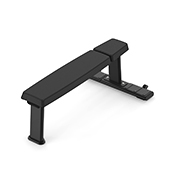
If you’re using your multi-adjustable bench only for basic bench presses or sit-ups, you’re missing out on its full potential. This underrated home gym staple isn’t just a flat surface—it’s a versatile tool that can target every major muscle group with precision. Whether you’re short on equipment or looking to add intensity to your routine, these 5 advanced moves will help you maximize its utility.

1. Decline Dumbbell Rows (Upper Back & Biceps)
Set the bench to a 30° decline (pad tilted downward). Lie face down, gripping dumbbells with palms facing your body, arms fully extended toward the floor. Engage your lats to pull the weights up to your hip bones, squeezing your shoulder blades together at the top of the movement. Pause for 1 second, then lower the dumbbells slowly (2 seconds per rep) to keep tension on the muscles. Aim for 3 sets of 12–15 reps. This angle eliminates momentum, forcing your upper back to work harder than standard bent-over rows—perfect for fixing rounded shoulders from desk work.
2. Incline Bulgarian Split Squats (Legs & Glutes)
Adjust the bench to a 45° incline (pad tilted upward). Stand facing away from the bench, placing the top of one foot on the pad behind you (knee bent 90°). Keep your front foot flat, hands on your hips, and chest lifted. Lower your body until your front thigh is parallel to the floor (your back knee should hover just above the ground), then push through your front heel to return to standing. Complete 3 sets of 10–12 reps per leg. The incline stabilizes your back leg, allowing you to focus on glute and quad activation—ideal for building unilateral leg strength.
3. Decline Plank Shoulder Taps (Core & Stability)
Set the bench to a shallow 15° decline (higher end of the pad toward the floor). Assume a high plank position: hands on the bench, feet hip-width apart on the floor, body forming a straight line from head to heels. Keeping your hips as still as possible, lift one hand to tap your opposite shoulder, then switch sides. Avoid twisting your torso—this forces your deep core muscles (transversus abdominis) to engage to maintain balance. Do 3 sets of 20 total taps (10 per side), or add a 30-second hold between sets for extra intensity.
4. Incline Tricep Dips (Triceps & Chest)
Set the bench to a 60° incline (pad tilted upward). Sit on the edge of the bench, gripping the surface beside your hips (fingers pointing forward). Slide your hips forward until your butt is off the bench, legs extended slightly in front of you. Lean your torso forward (to emphasize triceps) or back (to target chest), then bend your elbows to lower your body toward the floor. Push through your palms to straighten your arms and return to the starting position. Complete 3 sets of 15–20 reps. This variation is gentler on the shoulder joints than traditional parallel-bar dips, making it accessible for most fitness levels.
5. Single-Leg Hip Thrusts (Glutes & Hamstrings)
Lie on the bench with your upper back (from shoulder blades to mid-back) supported, knees bent. Extend one leg straight up toward the ceiling (keep it slightly bent for stability), while the other foot remains flat on the floor. Drive through your heel to lift your hips until your body forms a straight line from shoulders to knees, squeezing your glutes hard at the top. Lower your hips slowly (2 seconds) until they nearly touch the floor, then repeat. Do 3 sets of 12 reps per leg. The single-leg setup fixes muscle imbalances (common if you favor one leg during squats) and boosts glute activation by 20% compared to bilateral hip thrusts, per fitness research.
Your multi-adjustable bench is a “Swiss Army knife” for home fitness—you don’t need a full gym to build strength and balance. Swap these moves into your next workout to add depth without extra equipment.