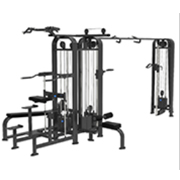
If you’ve been stuck in a back training rut—watching your lat gains stall no matter how hard you grind on the lat pulldown machine—you’re not alone. Plateaus are inevitable, but they don’t have to be permanent. The secret to breaking through? Ditching the same old standard lat pulldown and incorporating targeted variations that shock your muscles, boost engagement, and reignite growth. In this guide, we’ll break down 4 game-changing lat pulldown variations, plus pro tips to maximize muscle activation and leave plateaus in the dust.

First, let’s recap why the lat pulldown is a back-building staple. It’s one of the most effective exercises for targeting the latissimus dorsi—the large, fan-shaped muscles that give your upper body that coveted V-taper. But doing the same wide-grip, palms-away pulldown day in and day out leads to muscular adaptation: your body gets used to the movement, and growth grinds to a halt. By tweaking grip width, hand position, or movement pattern, you force your lats (and supporting muscles like the rhomboids, traps, and biceps) to work harder in new ways.
1. Close-Grip Neutral Lat Pulldown
The close-grip neutral pulldown is a game-changer for targeting the lower lats—an area many lifters neglect. To perform it: Set the pulldown bar to a close grip (shoulder-width or narrower) with a neutral hand position (palms facing each other). Sit tall, engage your core, and pull the bar down to your upper chest, squeezing your lats at the bottom. Avoid swinging or using momentum—control the movement both up and down. This variation reduces strain on your shoulders compared to wide-grip pulldowns and emphasizes the mind-muscle connection with your lats.
2. Wide-Grip Overhand Lat Pulldown (with Pause)
The wide-grip overhand is a classic, but adding a pause takes it to the next level for breaking plateaus. Use a wide grip (wider than shoulder-width) with palms facing away from you. Pull the bar down to your upper back, then pause for 2-3 seconds at the contraction point—this eliminates momentum and forces your lats to bear the load the entire time. This small tweak increases time under tension, a key driver of muscle growth. Perfect for lifters who rely on swinging to complete reps.
3. Single-Arm Lat Pulldown
Imbalances are a common culprit behind back plateaus. The single-arm lat pulldown fixes this by isolating each lat individually. Attach a D-handle to the pulldown machine. Grab the handle with one hand, keep your core tight, and pull the handle down to your hip, rotating your torso slightly as you squeeze. Lower slowly and repeat on the other side. This variation ensures both lats are working equally hard and allows you to focus on the contraction of each muscle—no more letting a stronger side compensate for a weaker one.
4. Reverse-Grip Lat Pulldown
Reverse-grip pulldowns (palms facing toward you) shift some focus to the biceps and upper lats, creating a well-rounded back workout. Use a shoulder-width grip, sit with your chest up, and pull the bar down to your chest, squeezing your lats and biceps at the bottom. This variation is gentler on the shoulders and adds variety to your routine, preventing boredom and adaptation. It’s also a great way to target the brachialis (the muscle under your biceps) while still building lat thickness.
Pro Tips for Maximizing Growth: Always warm up with 2-3 light sets before heavy pulldowns to avoid injury. Focus on mind-muscle connection—imagine squeezing your shoulder blades together as you pull. Aim for 3-4 sets of 8-12 reps per variation (the hypertrophy “sweet spot”). And don’t forget progressive overload: gradually increase weight, reps, or reduce rest time to keep challenging your muscles.
Plateaus happen, but they’re not a sign of failure—they’re a sign to switch things up. By adding these 4 lat pulldown variations to your routine, you’ll shock your muscles, fix imbalances, and start seeing those back gains again. Give them a try in your next workout, and say goodbye to stagnant growth for good.