The incline T-bar row is a staple in back training, beloved by gym-goers for its ability to build thickness, strength, and definition in the lats, rhomboids, and mid-back. Yet many lifters miss out on maximum lat activation—settling for mediocre results instead of the intense muscle growth they’re chasing. The good news? You don’t need heavier weights or fancy equipment to fix this. By focusing on three key form details, you can instantly double the stimulation in your lats and take your back workout to the next level. Let’s break them down.

1. Master the Hip Hinge & Incline Angle for Lat Focus
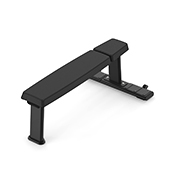
First, the foundation of a lat-centric incline T-bar row is the right setup—specifically, your hip position and the incline bench angle. Too many lifters lean too far forward or use a flat bench, shifting the load to the lower back instead of the lats. Aim for a 30-45 degree incline on the bench: this angle keeps your torso stable while allowing your arms to hang vertically at the start, which is critical for full lat extension.
When setting up, hinge at the hips (not the waist) to lower your chest to the bench. Keep your core braced tight, glutes engaged, and spine in a neutral position—no rounding or arching. Your arms should be straight but not locked, with the T-bar handle directly below your shoulders. This setup ensures that the lats are the first muscles to take the load, not your lower back or biceps.
2. Pull with Elbows: The “Elbow Drive” Technique
The biggest mistake lifters make during the pull phase is using their arms to “curl” the weight—wasting energy and reducing lat activation. Instead, focus on driving your elbows back and slightly outward (not straight up) to pull the T-bar toward your lower chest.
Imagine you’re trying to tuck your elbows into your back pockets as you pull. This movement forces the lats to contract hard, as they’re responsible for adducting (pulling) the humerus (upper arm bone) toward your torso. Keep your wrists straight and grip the handle firmly, but avoid squeezing too hard—this can tense up your forearms and take focus away from the lats. At the top of the movement, pause for 1-2 seconds and squeeze your shoulder blades together to maximize contraction before lowering the weight slowly (2-3 seconds) back to the start.
3. Control the Eccentric: Don’t Rush the Lowering Phase
Most lifters prioritize the “pull” (concentric) phase and neglect the lowering (eccentric) phase—but this is where a huge amount of muscle growth happens. The eccentric phase creates micro-tears in the muscle fibers, which your body repairs and builds stronger. For incline T-bar rows, never let the weight drop quickly; instead, control it the entire way down.
As you lower the T-bar, keep your lats engaged and your core tight. Avoid letting your shoulders creep up toward your ears—this relaxes the lats and shifts tension to the traps. Aim for a 2-3 second lowering phase, and stop just before your arms are fully extended (keep a slight bend) to maintain constant tension on the lats. This constant tension ensures that your lats are working hard from start to finish, instead of only during the pull.
Final Tips for Maximum Results
To put it all together: start with a light weight to master the form, then gradually increase the load as the movement feels natural. Avoid using momentum—swinging your torso or heaving the weight will only reduce lat stimulation and increase injury risk. Aim for 3-4 sets of 8-12 reps, focusing on quality over quantity.
By implementing these three details—correct incline angle/hip hinge, elbow drive, and controlled eccentric—you’ll instantly feel a bigger burn in your lats during every rep. The incline T-bar row is already a powerful back builder; with these tweaks, it becomes a game-changer for anyone looking to build a thicker, stronger, more defined back.