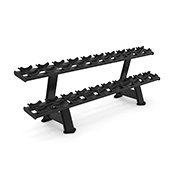
If you’re serious about boosting lower body power, building defined quads, and enhancing overall lower-body functionality, the sissy squat rack is a game-changing tool you can’t overlook. Unlike traditional squats that engage multiple muscle groups, sissy squats zero in on the quadriceps, hip flexors, and core—making them ideal for targeted strength gains and muscle sculpting. Whether you’re a gym enthusiast, a home workout fanatic, or an athlete looking to up your performance, this guide will walk you through how to use a sissy squat rack for maximum results.

First, let’s break down why the sissy squat rack stands out. Traditional squats rely heavily on glutes and hamstrings, but sissy squats shift the focus to the often-underworked quadriceps—especially the vastus medialis, which is key for knee stability and a balanced leg appearance. The rack’s design supports your body, allowing you to lean back safely while lowering your knees, reducing joint strain compared to unassisted sissy squats. This makes it suitable for both beginners and those recovering from minor knee injuries, as it controls range of motion and prevents overextension.
To start, set up your sissy squat rack correctly. Adjust the footplate so your feet are shoulder-width apart, with heels anchored firmly. Position the back pad to support your lower back without restricting movement—too tight and you’ll limit range, too loose and you risk losing form. For beginners, begin with bodyweight only to master the technique: stand tall, engage your core, lean back slightly, and slowly lower your body by bending your knees, keeping your shins as vertical as possible. Rise back up by pushing through your forefoot, squeezing your quads at the top.
Progress gradually to keep challenging your muscles. Once bodyweight squats feel comfortable, add resistance bands around your thighs or hold dumbbells at chest level. Aim for 3–4 sets of 10–15 reps, resting 60–90 seconds between sets. To avoid plateaus, vary your routine: try slow eccentric lowering (3 seconds down, 1 second up) or pause at the bottom of each rep for 2 seconds to increase time under tension.
Incorporate sissy squat rack workouts into your lower-body routine 2–3 times per week. Pair them with glute bridges, lunges, and calf raises for a full lower-body workout that builds strength, endurance, and symmetry. Remember to warm up with dynamic stretches (leg swings, bodyweight squats) and cool down with static stretches to reduce soreness and improve flexibility.
Consistency is key—stick with the routine for 4–6 weeks, and you’ll notice improved quad strength, better knee stability, and more defined leg muscles. The sissy squat rack isn’t just a niche tool; it’s a versatile addition to any training plan, helping you unlock new levels of lower-body strength safely and efficiently.