When it comes to leg day, two exercises reign supreme: the hack squat and the back squat. Both are staples in gym routines for building quads, glutes, and hamstrings, but fitness enthusiasts often debate which delivers superior muscle growth. The short answer? Both are highly effective—but your goals, fitness level, and body mechanics will determine which is better for you. Let’s break down their muscle-building potential, pros, and how to use them to maximize gains.

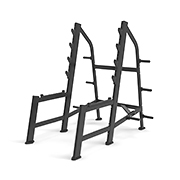
First, let’s clarify how each exercise targets leg muscles. The back squat is a compound movement that engages multiple muscle groups simultaneously. With the barbell resting on your upper back, you hinge at the hips and knees, activating quads (front of thighs), glutes (buttocks), hamstrings (back of thighs), and even core and lower back muscles for stability. Because it’s a free-weight exercise, your body must work harder to balance the load, which stimulates more muscle fibers and promotes overall lower-body strength and hypertrophy.
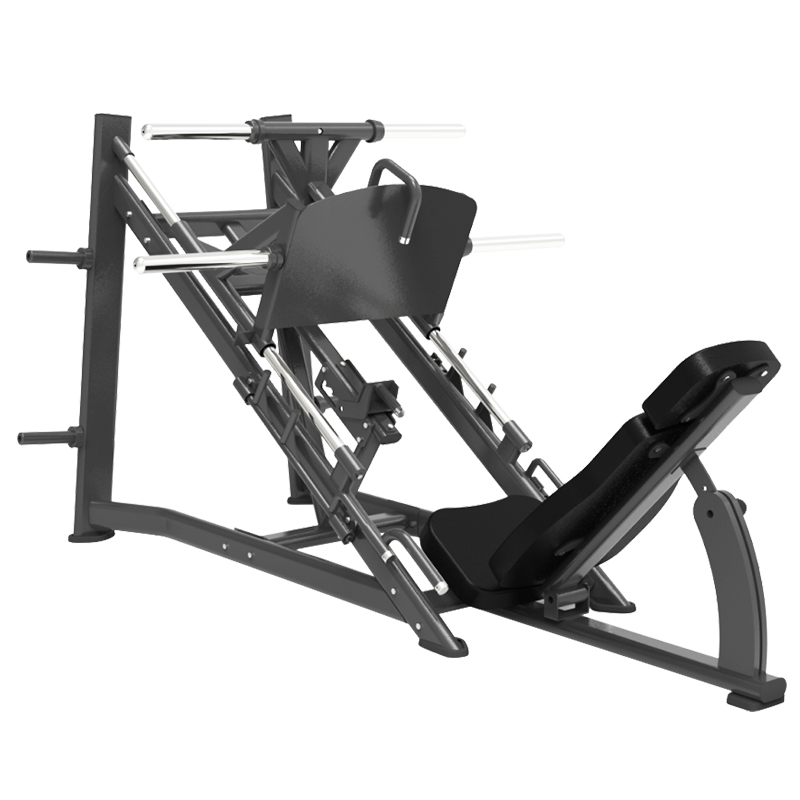
Thehack squat, performed on a machine, changes the dynamic by supporting your upper body and stabilizing your torso. This reduces stress on the lower back and core, allowing you to focus more intently on the quads. The fixed path of the machine also lets you lift heavier weights with better form, which can lead to greater quad hypertrophy. However, the machine’s support means less engagement from the glutes and hamstrings compared to the back squat.
So, which builds more leg muscle? It depends on your definition of “leg muscle.” If you want balanced growth across quads, glutes, and hamstrings, the back squat is the clear winner. Its compound nature triggers more overall muscle activation in the lower body. But if your goal is to prioritize quad size—for example, to build thicker, more defined front thighs—the hack squat can be more effective, as it isolates the quads without taxing other muscle groups.
Another key factor is accessibility. Back squats require proper form to avoid injury, making them less ideal for beginners or those with lower back issues. Hack squats, on the other hand, are more user-friendly; the machine guides your movement, reducing the risk of strain. For advanced lifters, combining both exercises can yield the best results: use back squats as the foundation for overall leg strength and hypertrophy, then add hack squats to target the quads specifically.
In conclusion, neither exercise is “better” than the other—they serve different purposes. The back squat is a full-body lower-body builder that promotes balanced growth, while the hack squat is a quad-focused tool for targeted gains. To maximize leg muscle growth, incorporate both into your routine, adjust weights based on your fitness level, and prioritize proper form. Whether you’re a beginner or a seasoned lifter, combining these two power moves will help you build stronger, bigger legs.