When building a home gym, two of the most popular strength training options are the cable machine (cable crossover) and the all-in-one home gym. Both deliver effective full-body workouts, but they cater to different fitness goals, space constraints, and user preferences. To help you pick the perfect fit, we break down their key differences, pros, and cons below.

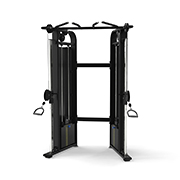
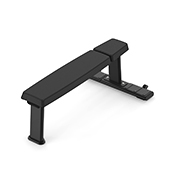
First, let’s look at the cable machine. This versatile equipment uses adjustable pulleys and weight stacks to create constant tension throughout every rep, making it ideal for targeting specific muscle groups with precision. Whether you’re doing cable flyes for chest, lat pulldowns for back, or tricep pushdowns, the machine’s smooth, consistent resistance minimizes joint strain and maximizes muscle activation. It’s a favorite among intermediate and advanced lifters who want to refine their form and isolate muscles for growth. The compact design of most home-use cable machines is another bonus—many models fit into small corners, requiring just 3–4 square meters of floor space. On the downside, cable machines typically focus on resistance training and may lack features like a pull-up bar or leg press station, so you might need to pair them with dumbbells or a bench for a complete workout.
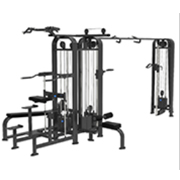
Next, the all-in-one home gym. As the name suggests, this powerhouse combines multiple strength training functions into a single unit. Most models include a weight stack, pulleys, a bench, a pull-up bar, and leg developer attachments, letting you perform hundreds of exercises from squats and deadlifts to bicep curls and shoulder presses. It’s a one-stop solution for total-body training, perfect for beginners who want a simple, low-maintenance setup without buying separate equipment. All-in-one gyms are also great for families or multi-user households, as they accommodate different fitness levels and goals. However, their biggest drawback is size—most full-featured models are bulky, taking up 5–8 square meters of space. They can also be pricier upfront, and their fixed stations may limit the range of motion for some advanced exercises.
So, which one should you choose? Go for a cable machine if you prioritize versatility, precision muscle targeting, and space efficiency. It’s ideal for lifters who want to upgrade their home workouts with focused, joint-friendly resistance training. Opt for an all-in-one home gym if you want a comprehensive, space-saving (in terms of equipment count) solution for full-body workouts, especially if you’re a beginner or have limited budget for multiple gear pieces.
At the end of the day, both machines are excellent investments for strength training at home. The final decision boils down to your fitness goals, available space, and budget.