When it comes to strength training, picking the right equipment is not just a matter of preference—it’s the foundation of a safe, effective, and sustainable fitness journey. Whether you’re setting up a home gym or upgrading your gym bag, your equipment choices should evolve with your skills, goals, and experience level. Let’s break down how to select gear that grows with you, from your first rep to your personal best.

For Beginners: Start Simple, Prioritize VersatilityIf you’re new to strength training, avoid splurging on bulky, specialized machines. Begin with budget-friendly, multi-purpose tools that let you master basic movements. Dumbbells are a non-negotiable starter—adjustable sets work best for home use, as they replace multiple pairs of fixed-weight dumbbells and save space. Resistance bands are another beginner staple; lightweight and portable, they’re perfect for learning proper form (e.g., glute bridges, lateral walks) without risking injury from heavy loads. A sturdy workout mat is also essential for floor exercises like push-ups and planks, providing grip and joint support. Focus on mastering bodyweight and light-resistance movements first—this builds muscle memory that will pay off as you advance.
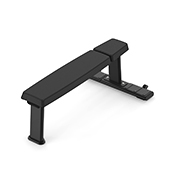
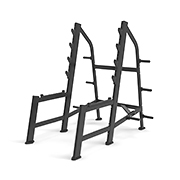
For Intermediate Lifters: Add Stability and Progressive ResistanceOnce you’ve nailed basic form and can complete 3 sets of 12–15 reps with ease, it’s time to step up your equipment game. A barbell set with weight plates is ideal for compound lifts like squats, deadlifts, and bench presses—these movements target multiple muscle groups at once and drive faster strength gains. If space is limited, a power rack (or a compact squat rack) adds a layer of safety for heavy lifting, letting you push your limits without a spotter. Kettlebells are another great intermediate upgrade; their unique shape challenges your stability and core, making them perfect for dynamic exercises like swings and goblet squats. At this stage, prioritize progressive overload—choose equipment that lets you incrementally add weight or resistance over time.
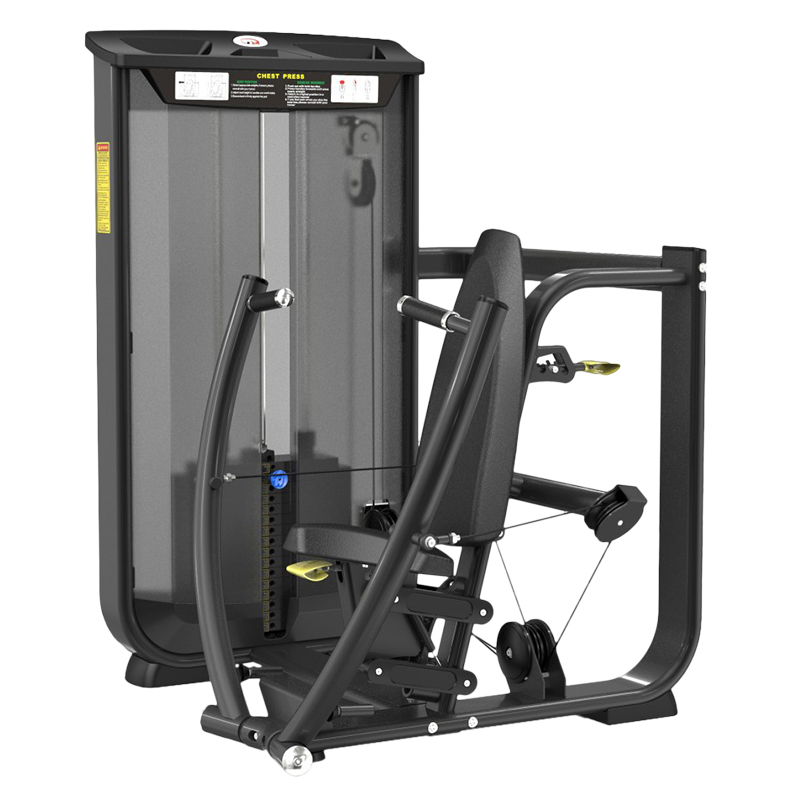
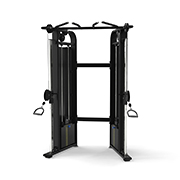
For Advanced Athletes: Invest in Specialized GearAdvanced lifters need equipment that targets specific weaknesses and helps break through plateaus. Cable machines are a gym staple for advanced training; they provide constant tension throughout every rep, ideal for isolating muscles (e.g., tricep pushdowns, cable flyes). Weighted vests add intensity to bodyweight exercises like pull-ups and lunges, forcing your muscles to work harder. For those focused on power and explosiveness, a trap bar (hex bar) is a game-changer—it reduces stress on the lower back during deadlifts and allows for heavier lifts. Advanced lifters can also experiment with specialized tools like resistance chains (for variable resistance) or landmine attachments (for rotational movements).
In the end, the best strength training equipment is the kind that matches your current skill level and aligns with your long-term goals. Don’t rush to upgrade—master your current gear first, and let your progress guide your next purchase.