You show up to the gym consistently, grind through your strength workouts, and yet—someone else using the same equipment seems to pack on muscle or boost strength far faster. It’s frustrating, but the gap in results rarely comes down to “genetics” alone. More often, it’s about how you’re using the equipment versus how effective lifters leverage it to target muscles, control movement, and avoid wasted effort. Let’s break down the key reasons why others are getting better results with gym equipment—and how you can close the gap.

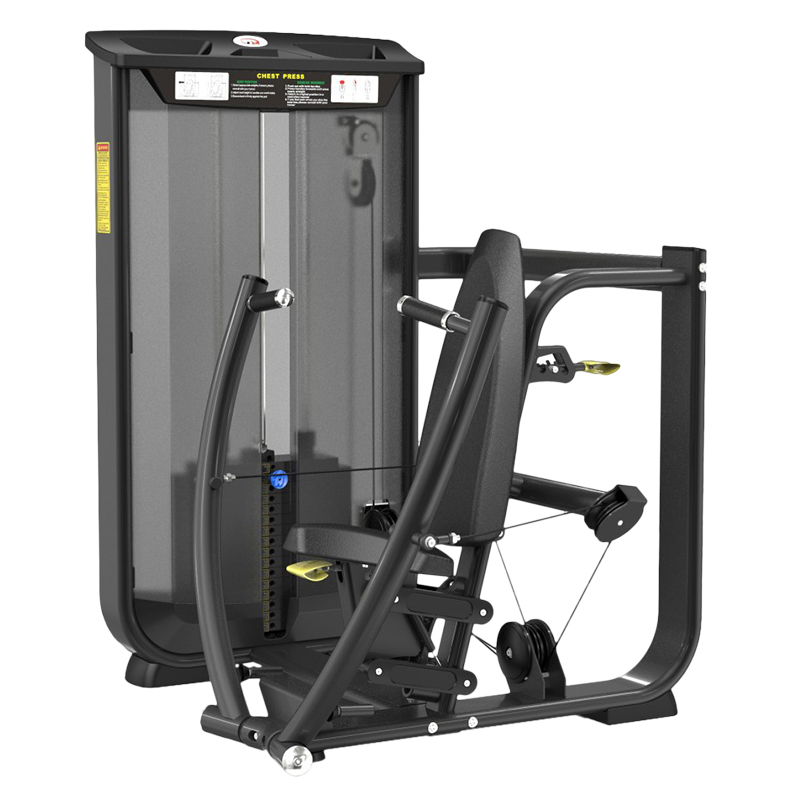
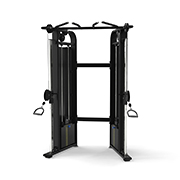
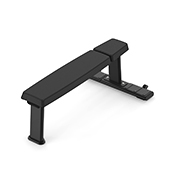
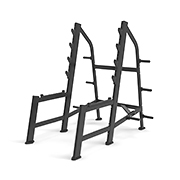
First, effective equipment training starts with proper form and movement control—a area where many lifters fall short. When you rush through reps on the bench press or squat rack, you’re not just risking injury; you’re diluting the work your target muscles do. Skilled lifters prioritize “mind-muscle connection”: they focus on squeezing the muscle being worked (e.g., feeling the chest engage during a dumbbell press) rather than just moving the weight from point A to point B. Equipment like cable machines or resistance bands amplify this—if you’re pulling a cable with sloppy form, the tension shifts to your shoulders or lower back instead of your lats. Others nail this connection, so every rep counts toward muscle growth and strength gains.
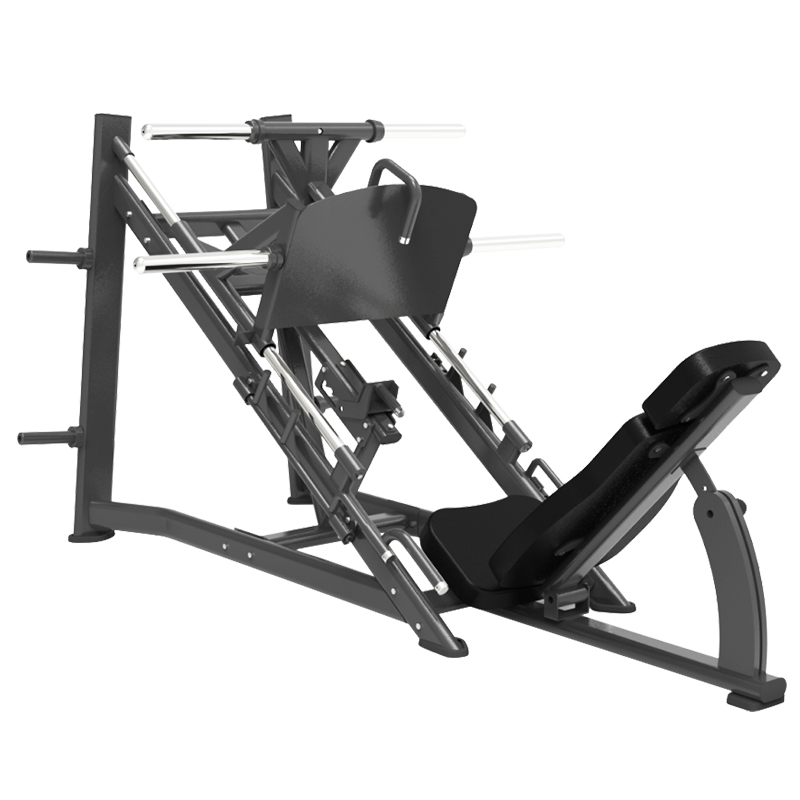
Second, successful lifters match equipment to their goals and muscle groups—while many people stick to generic routines without customization. For example, if your goal is to build thick quads, a leg press machine (which isolates quads by reducing glute and hamstring involvement) is far more effective than a barbell squat if you’re not yet advanced. Conversely, someone aiming for full-body strength will use compound equipment like the deadlift bar or overhead press with intentional programming. The difference? They’re not just using equipment—they’re using the right equipment for their specific objective, while you might be wasting energy on machines that don’t align with your goals.
Progressive overload is another make-or-break factor—and effective lifters use equipment to systematically increase intensity in ways bodyweight or free weights alone can’t. Progressive overload (gradually making workouts harder) is non-negotiable for strength gains, but many lifters hit a plateau because they don’t know how to adjust. Equipment solves this: you can add 2.5 pounds to a machine’s weight stack, adjust the pulley height for a harder cable row, or use a resistance band around your knees to increase glute activation during lunges. Others do this consistently, while you might repeat the same weight and reps week after week. Over time, that small, consistent progression adds up to big differences in strength and muscle growth.
Finally, recovery and programming synergy with equipment use is often overlooked. Lifting heavy on equipment creates more muscle micro-tears (a good thing for growth), but only if you allow proper recovery. Effective lifters pair their equipment workouts with rest days, protein intake, and sleep—ensuring their muscles repair and grow. They also follow structured programs (e.g., 4-week cycles focusing on hypertrophy with machines, then strength with free weights) instead of random workouts. If you’re hitting the gym hard with equipment but skimping on recovery or bouncing between machines without a plan, your results will stall—while others who balance training and recovery keep progressing.
The bottom line? Gym equipment is a tool, and like any tool, its effectiveness depends on how you use it. It’s not that others are “better” at lifting—they’re better at prioritizing form, matching equipment to goals, applying progressive overload, and pairing training with recovery. By focusing on these four areas, you can stop watching others progress and start seeing the same (or better) results from your equipment workouts. Consistency plus intentionality is the secret—and it’s within your reach.