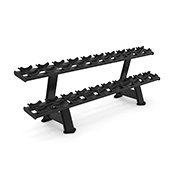
Building a home gym or upgrading your strength training setup starts with choosing the right core equipment. Dumbbells, barbells, and power racks (also called power cages) are foundational tools that cater to different training needs, fitness levels, and space constraints. This guide breaks down what you need to know to invest wisely and maximize your muscle gains.

Dumbbells: Versatility for Every Fitness Level
Dumbbells stand out for their flexibility, making them ideal for both beginners and advanced lifters. Unlike fixed-weight options, adjustable dumbbells are a space-saving solution for small home gyms, letting you switch weights quickly for different exercises .
Key factors to consider:
Weight range: Beginners should start with 5–15 lbs to master form, while intermediate lifters may need 20–60 lbs, and advanced users 50+ lbs .
Training goals: Opt for lighter weights (40% of your one-rep max) for endurance and fat loss, or heavier loads (70% of one-rep max) for muscle growth .
Material and safety: Look for rubber-coated or neoprene handles for grip and floor protection, avoiding low-quality options with strong odors .
Barbells: Foundation for Compound Lifts
Barbells excel at compound movements like squats, deadlifts, and bench presses, thanks to their single-track, synchronized weight distribution . They allow heavy loading and build full-body strength efficiently.
What to prioritize when buying:
Type: Olympic barbells (2-inch sleeves) are standard for serious training, compatible with most weight plates, while standard barbells (1-inch sleeves) suit casual use.
Weight capacity: Choose a barbell that can handle at least 500 lbs for long-term use, with solid steel construction for durability.
Grip and stability: Knurled handles improve grip during sweaty workouts, and a balanced whip (flexibility) enhances lift performance without compromising control.
Power Racks: Safety and Versatility for Heavy Lifting
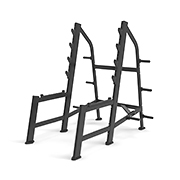
Power racks (or power cages) are non-negotiable for safe heavy lifting at home, eliminating the need for a spotter . They offer more stability and exercise options than basic squat stands.
Critical features to evaluate:
Weight capacity: Aim for a minimum 1,000-lb capacity to support heavy lifts and ensure longevity .
Safety components: Built-in safety bars or straps are essential to prevent injury if you fail a lift .
Space and adjustability: Measure your gym area first—foldable models like the PRX Fold-In-One work for small spaces . Look for adjustable J-cups and pull-up bars for versatility.
Assembly and accessories: Choose user-friendly options , which is easy to assemble, and check for modular attachment compatibility .
Final Buying Tips
Match equipment to your goals: Dumbbells for unilateral training and muscle balance, barbells for heavy compound lifts, and power racks for safety during intense sessions . Invest in quality—thick steel construction and reputable brands ensure your equipment lasts . For small spaces, prioritize adjustable dumbbells and compact power racks to maximize functionality without clutter.
With the right combination of these three tools, you can create a home gym that rivals commercial facilities, supporting consistent progress from beginner to advanced levels.