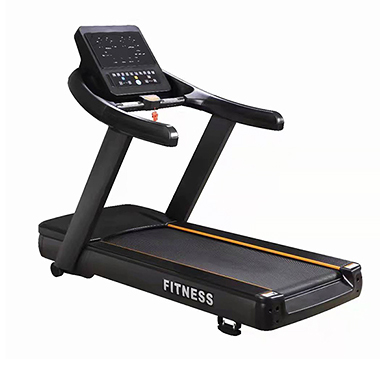
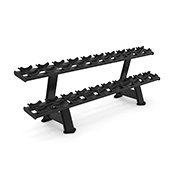
When it comes to building a strength training routine, choosing between commercial-grade and home-use equipment is a critical decision that hinges on budget, space, training goals, and long-term value. For fitness enthusiasts, gym owners, or anyone looking to invest in strength tools, understanding the key differences in cost-effectiveness and practicality can save time, money, and frustration. This guide breaks down the core contrasts to help you make an informed choice.

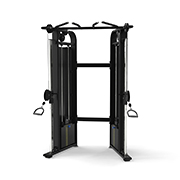
First, let’s define the two categories. Commercial strength equipment is designed for high-traffic gyms, studios, and fitness centers—built to withstand 8+ hours of daily use by multiple users. It’s typically sturdier, with heavy-duty steel frames, premium components, and advanced features like adjustable weight stacks and ergonomic padding. Home-use equipment, by contrast, is engineered for personal or small-family use, prioritizing compactness, ease of assembly, and affordability over extreme durability.
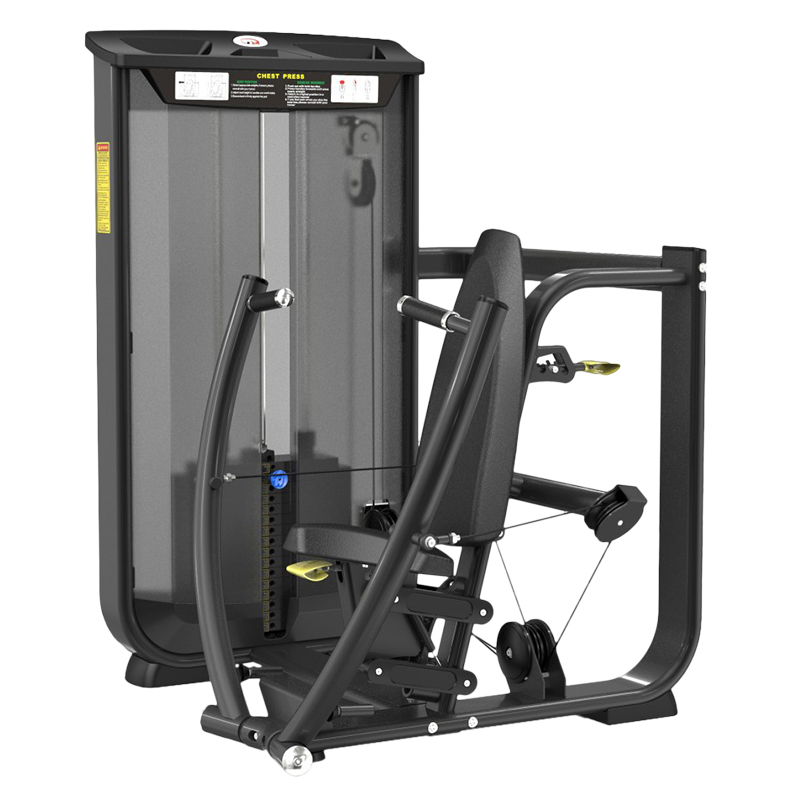
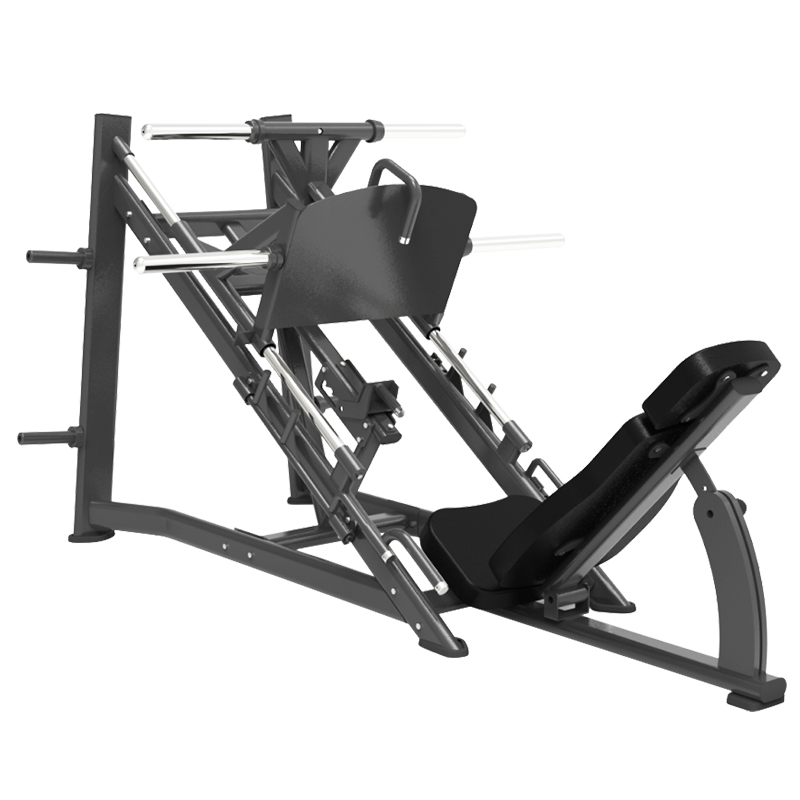
Cost-effectiveness is where the divide becomes most apparent. Commercial equipment comes with a steep upfront price tag—think $2,000–$10,000+ for a single machine like a leg press or chest fly. However, its longevity offsets this cost: commercial gear can last 10–15 years with minimal maintenance, making it a smart investment for businesses. For home users, the upfront cost is lower ($500–$3,000 for most machines), but durability varies. Cheaper home models may need replacement after 3–5 years, while mid-range options can last 7–10 years. If you’re a casual lifter, a home machine avoids recurring gym membership fees ($600–$1,200/year), delivering long-term savings.
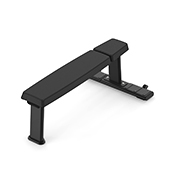
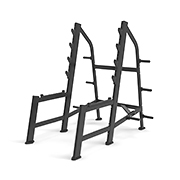
Practicality depends heavily on your living space and training intensity. Commercial equipment is bulky—most machines require 50–100 square feet of floor space and are difficult to move. This makes them unsuitable for apartments or small homes. Home equipment, however, often features foldable designs (e.g., foldable benches, compact power racks) that save space, fitting into garages, spare rooms, or even bedrooms. For training needs, commercial gear offers more versatility (e.g., multiple weight increments, attachment compatibility) for serious lifters or athletes. Home models are ideal for beginners or those focusing on full-body workouts, with enough functionality for squats, lunges, and upper-body presses without the excess bulk.
Maintenance is another key factor. Commercial equipment needs regular servicing (lubrication, part checks) to handle heavy use, but most brands offer commercial warranties (5–10 years on frames). Home equipment requires less upkeep—occasional cleaning and bolt tightening suffice—and comes with shorter warranties (1–5 years). For home users, this means less hassle, while gym owners must budget for maintenance costs.
In conclusion, commercial strength equipment excels in durability and versatility for high-traffic settings, offering long-term value for businesses. Home-use gear is the better choice for individual users seeking affordability, space-saving design, and freedom from gym fees. Assess your budget, space, and training goals—if you lift daily or run a fitness business, commercial is worth the investment; if you’re a casual lifter, home equipment delivers the best balance of cost and practicality.