Many people want to change their body shape: lose fat, tone muscles, and look healthier. But when they start, they usually ask one question: is it easier to shape your body with exercise or diet? The truth is, both are important, but they work in different ways. Understanding the difference will help you avoid common mistakes and make a plan that really works.

First, let’s talk about diet. Diet is powerful because weight and body fat are mainly controlled by how many calories you eat. If you eat fewer calories than your body uses, you will lose weight. For many people, this feels “easier” at the beginning because changing what you eat can quickly show results on the scale.
However, only dieting has some risks. When you cut calories too much, your body may break down muscle for energy. This means you might lose weight, but your body shape may not look better. You could become “skinny fat” — thin but not toned. Also, very strict diets are hard to keep for a long time. Many people feel hungry, tired, and stressed, and eventually return to old eating habits. This often leads to gaining back the weight, or even more.
Now let’s look at exercise. Exercise, especially strength training, is essential for changing your body shape, not just your weight. When you lift weights or do bodyweight exercises like squats and push-ups, you build muscle. Muscle is more compact than fat, so even if your weight stays the same, your body will look firmer and more defined.
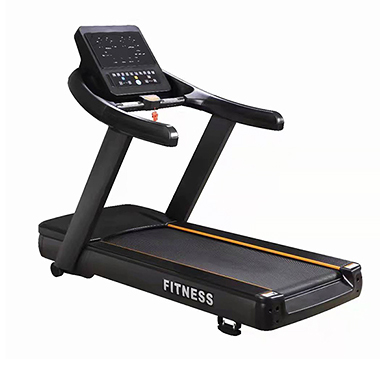
Strength training also helps your metabolism. More muscle means your body burns more calories at rest. This makes it easier to maintain a healthy weight in the long term. Cardio exercise, such as running, cycling, or swimming, is good for burning calories and improving heart health, but it is less effective than strength training for shaping the body.
Another benefit of exercise is hormones and mood. Regular workouts can reduce stress, improve sleep, and make you feel more confident. This positive feeling often helps people stick to their diet and lifestyle changes.
So, which is easier for body shaping? The answer depends on your goal. If you only care about the number on the scale, diet may seem faster. But if you want a toned, healthy, and sustainable body shape, exercise is necessary.
The best approach for most people is a balanced combination:
Control your diet, but don’t starve yourself.
Focus on whole foods like lean protein, vegetables, fruits, and whole grains. Reduce processed foods, sugary drinks, and excessive snacks. A small calorie deficit of 300–500 calories per day is usually enough for steady fat loss.
Do strength training 2–3 times a week.
Train all major muscle groups: legs, back, chest, shoulders, and core. You can use dumbbells, resistance bands, or just your body weight. Consistency is more important than lifting very heavy weights.
Add some cardio for extra calorie burn.
20–30 minutes of moderate cardio, 2–3 times a week, can help with fat loss and overall fitness.
Get enough sleep and manage stress.
Poor sleep and high stress can increase hunger hormones and make it harder to lose fat. Aim for 7–8 hours of sleep each night.
Be patient and track your progress.
Instead of only looking at the scale, take photos, measure your waist and hips, and notice how your clothes fit. Real body shaping takes time, but the results are worth it.
In conclusion, diet helps you lose weight, but exercise shapes your body. If you want to look and feel your best, don’t choose one over the other. Create a simple plan that includes healthy eating and regular strength training, and stick to it. Over time, you will see the body shape you’ve been working for.