Warming up before a workout is one of the most important steps you can take to protect your body and improve your performance. Many people skip the warm-up to save time, but this often leads to muscle strains, joint pain, and longer recovery periods. Using gym equipment to warm up is a great way to gradually increase your heart rate, loosen your muscles, and prepare your body for more intense exercise. This guide will show you how to create a simple, effective warm-up routine using common fitness equipment, helping you stay safe and get the most out of your workouts.

Why Warm Up with Fitness Equipment?
Using machines and other gym equipment for your warm-up offers several benefits. First, it allows you to control the intensity of your movements, making it easier to start slowly and build up gradually. Second, many machines provide support, which is especially helpful if you’re new to exercise or recovering from an injury. Finally, equipment-based warm-ups can target specific muscle groups you plan to work on during your main workout, improving your overall performance.
A Simple 10–15 Minute Equipment Warm-Up Routine
You don’t need a lot of time or complex equipment to warm up effectively. The following routine can be completed in 10–15 minutes and uses machines found in almost every gym.
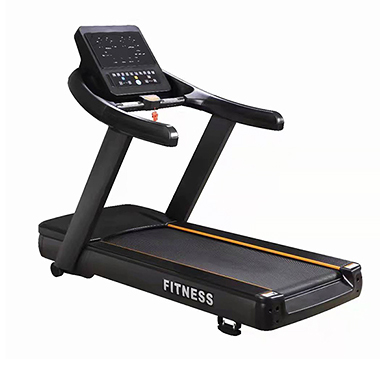
1. Treadmill or Elliptical Trainer (3–5 minutes)
Start with 3–5 minutes of light cardio on a treadmill or elliptical trainer. Set the speed to a comfortable walking or jogging pace where you can talk but not sing. This increases blood flow to your muscles and raises your body temperature, reducing the risk of injury.
2. Stationary Bike (2–3 minutes)
If you prefer low-impact exercise, the stationary bike is an excellent choice. Pedal at a moderate pace for 2–3 minutes, focusing on smooth, circular movements. This warms up your legs, hips, and core without putting too much stress on your joints.
3. Rowing Machine (2–3 minutes)
The rowing machine provides a full-body warm-up, engaging your legs, back, shoulders, and arms. Start with light resistance and focus on proper form: push with your legs first, then pull with your back and arms. Keep your movements fluid and avoid pulling too hard with your upper body.
4. Dynamic Stretching with Cable Machine or Resistance Bands (3–5 minutes)
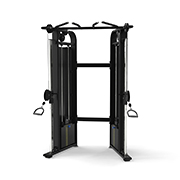
After a few minutes of cardio, use a cable machine or resistance bands to perform dynamic stretches. These are active movements that take your muscles through their full range of motion. Examples include:
Cable arm circles
Cable chest flyes with light resistance
Band leg swings (front to back and side to side)
Band glute bridges
Dynamic stretching is more effective than static stretching before a workout because it prepares your muscles for movement rather than relaxing them.
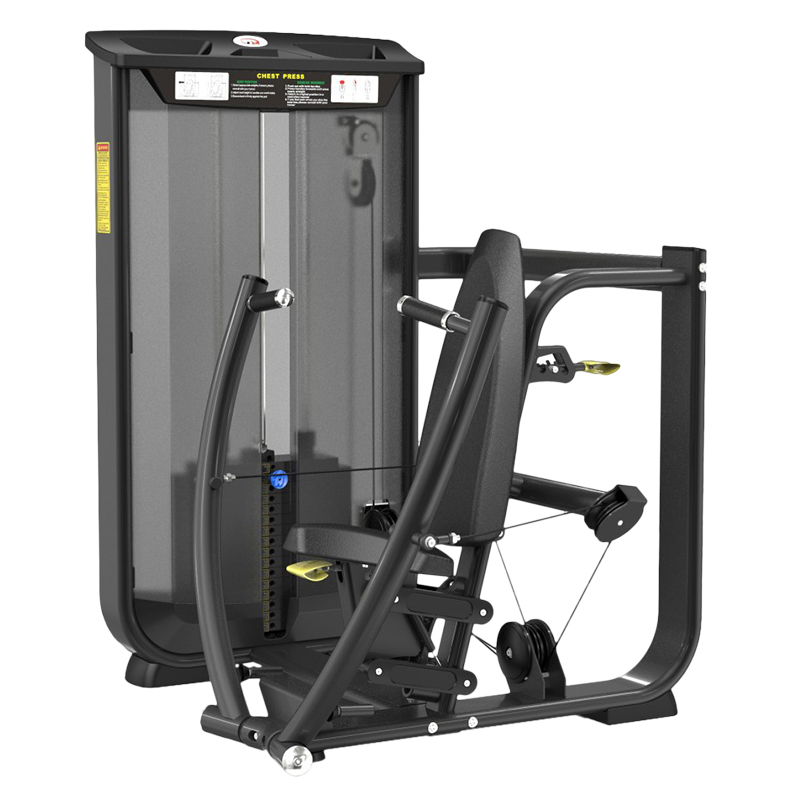
5. Light Weight Training on Machines (2–3 minutes)
Finish your warm-up with 2–3 light sets on the machines you plan to use during your main workout. For example, if you’re going to do bench presses, start with a very light weight and do 10–15 repetitions. This activates the muscles you’ll be targeting and helps you transition smoothly into heavier lifting.
Tips for a Safe and Effective Warm-Up
Start slow and increase gradually: Your warm-up should feel comfortable, not exhausting.
Focus on form: Proper technique during your warm-up helps you maintain good form during your workout.
Don’t rush: Spending just 10–15 minutes warming up can save you from days or weeks of recovery due to injury.
Listen to your body: If something feels painful or uncomfortable, reduce the intensity or stop.
Conclusion
A well-designed warm-up using fitness equipment is essential for anyone who wants to exercise safely and effectively. By following the simple routine outlined in this guide, you can increase your heart rate, loosen your muscles, and prepare your body for a great workout. Whether you’re a beginner or an experienced gym-goer, taking the time to warm up will help you avoid injury, improve your performance, and enjoy your workouts more. Start your next session with these easy steps and feel the difference in your body and your results.