In a world where time is precious and fitness goals feel ever out of reach, interval training stands out as a game-changer. Defined as short bursts of high-intensity exercise followed by periods of lower-intensity recovery, this flexible workout method delivers remarkable results in less time than traditional steady-state training—and it’s accessible to everyone, from fitness beginners to seasoned athletes. Whether you’re looking to boost endurance, shed body fat, or improve overall health, interval training offers a range of science-backed benefits that make it a top choice for modern fitness routines.

One of the most compelling advantages of interval training is its time efficiency. Unlike long, moderate-intensity workouts that require 45 minutes or more, interval sessions typically last 10 to 30 minutes total—making them perfect for busy schedules. Studies show that just a few minutes of all-out effort, paired with recovery, can match or exceed the benefits of longer steady-state workouts. For example, a 20-minute interval session (including warm-up and cool-down) can burn as many calories as a 45-minute jog, while stimulating greater metabolic changes in the body.
Interval training also excels at burning fat and boosting metabolism. During high-intensity bursts, your body burns calories at a rapid rate, and the benefits don’t stop when the workout ends. The “afterburn effect,” or excess post-exercise oxygen consumption (EPOC), means your body continues burning calories for 12 to 24 hours post-workout as it repairs muscles and restores oxygen levels. For those with weight loss goals, this makes interval training more effective than steady-state cardio—especially when combined with a balanced diet. Research also shows it’s superior to moderate-intensity training at reducing adipocyte hypertrophy and improving metabolic function in those with obesity.
Another key benefit is its ability to improve cardiovascular health and endurance. Short bursts of high-intensity exercise push your heart and lungs to work harder, increasing aerobic capacity over time. This means you’ll be able to exercise longer and at higher intensities without fatigue—and it translates to better heart health overall. Studies from Mayo Clinic and Harvard Health confirm that interval training lowers blood pressure, improves blood sugar control, and enhances arterial function, reducing the risk of heart disease and type 2 diabetes. It also helps maintain fast-twitch muscle fibers, which support strength and mobility as you age.
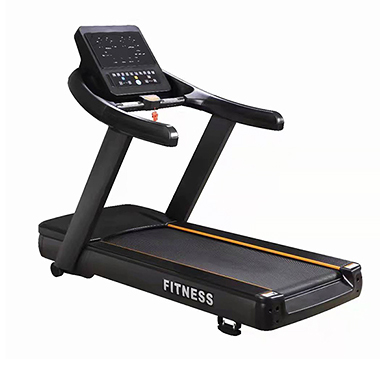
Interval training is also versatile and customizable, adapting to any fitness level and preference. You can do it with bodyweight exercises (squats, burpees, mountain climbers), cardio equipment (treadmill, bike, rowing machine), or even outdoor activities like running, cycling, or swimming. Beginners can start with gentle intervals—30 seconds of moderate effort followed by 1 to 2 minutes of walking—while advanced athletes can increase intensity or shorten recovery time. This flexibility keeps workouts engaging, reducing boredom and improving long-term adherence.
Finally, interval training reduces injury risk compared to repetitive steady-state workouts. By alternating intensity levels, you avoid overusing the same muscles and joints, giving your body time to recover during low-intensity periods. It also strengthens muscles and improves joint stability, further protecting against common fitness injuries. Best of all, it’s safe for all ages—even older adults can benefit from modified intervals to maintain muscle power and independence.
From time efficiency to metabolic boosts and improved heart health, interval training offers a holistic approach to fitness that fits modern lifestyles. It’s not about working harder for longer—it’s about working smarter. By incorporating interval training into your weekly routine 2 to 3 times a week, you’ll see noticeable improvements in strength, endurance, and overall health in just a few weeks. Whether you’re short on time, stuck in a fitness plateau, or simply looking for a more effective workout, interval training delivers results that speak for themselves.