Stepping into a gym for the first time can feel like entering a foreign country—full of unfamiliar words and phrases that leave you confused. Whether you’re a beginner looking to avoid awkward moments or a regular wanting to refine your gym vocabulary, knowing these common gym terms will help you feel confident, communicate better with trainers, and get the most out of your workouts. From equipment names to workout slang, we’ve rounded up the essential terms you need to know.

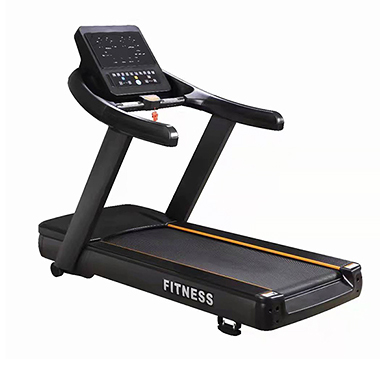
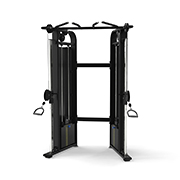
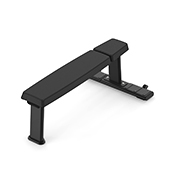
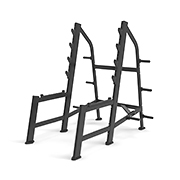
Let’s start with equipment terms—the foundation of any gym visit. You’ll likely encounter a dumbbell first: small, handheld weights used for strength training exercises like bicep curls or shoulder presses. Unlike dumbbells, a barbell is a long metal bar that can hold weight plates on both ends, perfect for squats, deadlifts, and bench presses. If you prefer cardio, you’ll use a treadmill (for walking, jogging, or running), an elliptical (a low-impact machine that mimics walking or cycling), or astationary bike (ideal for leg workouts without joint stress).
Next, workout and training terms are key to understanding fitness plans. Reps (short for repetitions) refer to the number of times you perform a single exercise—for example, 10 reps of push-ups. A set is a group of reps: 3 sets of 10 reps means doing 10 push-ups, resting, and repeating twice more. HIIT (High-Intensity Interval Training) is a popular workout style that alternates short bursts of intense exercise (like sprinting) with brief rest periods. For strength training, progressive overload is a golden rule—it means gradually increasing weight, reps, or sets to challenge your muscles and see growth.
You’ll also hear fitness slang around the gym, so it’s good to be in the know. Bro split is a common training routine that targets one muscle group per day (e.g., chest day, back day). DOMS (Delayed Onset Muscle Soreness) is the soreness you feel 24-72 hours after a tough workout—don’t worry, it’s a sign your muscles are repairing and growing. A PR (Personal Record) is your best performance in an exercise, whether it’s lifting a heavier weight or running a faster mile. If someone mentions cutting, they’re referring to a phase where they eat fewer calories to lose body fat, while bulking is eating more calories to gain muscle.
Other useful terms include superset (doing two exercises back-to-back without rest), isolation exercise (targeting one muscle group, like tricep dips), and compound exercise (working multiple muscle groups at once, like lunges). Trainers might also use form—this refers to your posture and movement during an exercise, and it’s crucial to avoid injury.
Knowing these terms isn’t just about fitting in—it’s about making your gym experience more effective and enjoyable. Next time you’re at the gym, you’ll be able to ask for the right equipment, follow a workout plan with ease, and even chat with fellow gym-goers about your routine. With this vocabulary under your belt, you’ll go from gym newbie to confident fitness enthusiast in no time.