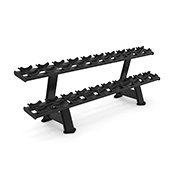
When you’re building a home gym or looking to get in shape, dumbbells are one of the most popular and effective pieces of fitness equipment. Many people believe the key to great results is lifting the heaviest dumbbells possible. But this is a common misunderstanding. Dumbbells are not about heavier weight—these are the real keys to safe, effective, and long-lasting fitness progress.

Using weight that’s too heavy often leads to bad form, muscle strain, joint pain, and even serious injury. Beginners and experienced lifters alike make this mistake. Instead of chasing heavy dumbbells, focus on the fundamentals that actually build strength, muscle, and confidence.
The first and most important key is proper form. Every exercise relies on correct movement. When you lift with poor form just to use more weight, you’re not targeting the right muscles. You’re putting unnecessary stress on your shoulders, elbows, back, and wrists. Good form ensures each rep works the intended muscle group, reduces injury risk, and delivers better results. Take time to learn the movement, slow down your reps, and prioritize control over weight.
The second key is choosing the right weight for your level. The ideal dumbbell weight allows you to complete your set with good form, feeling challenged but not exhausted. For most beginners, light to moderate weights are perfect for building muscle memory and stability. As you get stronger, you can gradually increase weight—usually by small increments. Progress, not maximum weight, is what matters.
The third key is mind-muscle connection. Many people rush through reps without focusing on the muscle they’re training. Whether you’re working your chest, back, shoulders, arms, or legs, concentrate on squeezing and controlling the muscle throughout the movement. This connection makes your workouts more efficient and helps you see faster improvements in muscle tone and definition.
The fourth key is consistency over intensity. Lifting extremely heavy dumbbells once a week will not give you better results than lifting a manageable weight three to four times per week. Consistent training helps your body adapt, strengthens muscles and bones, boosts metabolism, and improves overall fitness. Steady, regular workouts create long-term transformation.
The fifth key is full range of motion. Many lifters use heavy weight but cut their reps short. To get the most from dumbbell exercises, move the weight through a complete, natural range of motion. This stretches and contracts the muscle fully, leading to better flexibility, muscle growth, and functional strength.
The sixth key is recovery and balance. Muscles grow and strengthen during rest, not just during workouts. Lifting too heavy too often can lead to overtraining, fatigue, and burnout. Balance your dumbbell training with rest days, proper nutrition, and hydration. Listen to your body—discomfort is normal, but sharp pain means you should stop.
In conclusion, heavy dumbbells do not equal better results. Dumbbells are not about heavier weight—these are the real keys: proper form, appropriate weight, mind-muscle connection, consistency, full range of motion, and recovery. Whether your goal is weight loss, muscle gain, better fitness, or improved posture, these principles will help you reach them safely and effectively.
Next time you pick up your dumbbells, set aside your ego. Focus on how you lift, not how much you lift. With the right approach, even moderate dumbbells can transform your body and your health.