When building a home gym or upgrading your workout equipment, one of the most common questions is: Round vs hex dumbbells—which is better? Many people buy the wrong type simply because they don’t understand the real differences. In this guide, we break down everything you need to know about round and hex dumbbells, including design, stability, safety, versatility, and which one is best for your goals.

Let’s start with the basics. Round dumbbells feature a smooth, circular weight head, while hex dumbbells have six flat sides. This small design change creates huge differences in how they perform during workouts. Understanding these pros and cons will help you make a smart, long-term investment.
Stability and Safety
One of the biggest advantages of hex dumbbells is stability. Their flat sides prevent rolling, making them much safer for floor exercises, push-ups, renegade rows, and planks. If you set them down mid-workout, you won’t have to chase a rolling dumbbell across the room. This is especially helpful for beginners, group fitness classes, and home gyms with limited space.
Round dumbbells, on the other hand, roll easily. While this isn’t a major issue for traditional lifting, it can be dangerous during certain movements. Many users report accidentally kicked rolling dumbbells or losing balance because the weights shifted. For this reason alone, hex dumbbells are often considered safer for home use.
Durability and Comfort
Both round and hex dumbbells are typically made from cast iron or rubber-coated material, so overall durability is similar. However, many people find round dumbbells more comfortable to hold during high-rep sets, curls, and overhead presses. Their smooth shape feels natural in the hand and reduces pressure points.
Hex dumbbells have slightly sharper edges, which some users find less comfortable during extended workouts. That said, modern rubber-coated hex dumbbells minimize this problem. If grip comfort is your top priority, round dumbbells have a slight edge.
Versatility and Workout Use
Hex dumbbells are far more versatile for functional fitness. You can use them as supports for push-ups, single-leg exercises, and core movements. They stay in place when you need them to, which opens up hundreds of exercise variations.
Round dumbbells excel at traditional bodybuilding movements: bicep curls, shoulder presses, chest presses, and rows. They are ideal for anyone focused on muscle growth, strength training, and classic gym-style workouts. If your routine mostly involves standard lifting, round dumbbells work perfectly.
Storage and Space
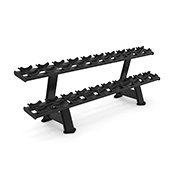
Hex dumbbells stack neatly and stay organized, even without a dedicated rack. Their non-rolling design makes them easy to store in corners or on shelves. Round dumbbells require a proper rack to prevent rolling and clutter. If you have limited space, hex dumbbells are more convenient.
Which Should You Choose?
Choose hex dumbbells if:
You want stability and safety
You do bodyweight exercises, push-ups, or functional training
You need easy, space-saving storage
You’re a beginner or workout at home alone
Choose round dumbbells if:
You prioritize grip comfort
Your workouts focus on bodybuilding and traditional lifts
You have a dumbbell rack for storage
You prefer a classic, smooth design
Final Verdict
For most home gym owners, hex dumbbells are the better choice because of their safety, stability, and versatility. However, round dumbbells remain a great option for traditional strength training. By understanding the differences, you can pick the dumbbells that match your workout style, space, and goals.
Investing in the right equipment makes exercise more enjoyable and effective. Whether you choose round or hex dumbbells, consistency will always be the key to reaching your fitness goals.