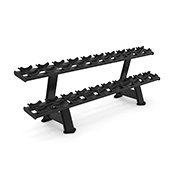
Dumbbells are one of the most versatile, affordable, and effective pieces of fitness equipment for full body workouts. Whether you train at home or in a gym, dumbbells allow you to target every major muscle group with proper form and progressive resistance. Learning how to use dumbbells correctly can help you build strength, improve muscle tone, boost metabolism, and support long-term fitness goals. This guide will show you how to structure safe, efficient full body workouts using only dumbbells.

Before starting any workout, spend 5 to 10 minutes warming up. Light cardio such as jogging in place, arm circles, leg swings, and bodyweight squats helps increase blood flow and reduce injury risk. Choose dumbbells based on your fitness level: lighter weights for beginners and higher resistance for intermediate or advanced users. The right weight should challenge you during the last few repetitions without breaking proper form.
A balanced full body dumbbell workout should include pushing, pulling, leg, and core movements. Start with compound exercises that engage multiple muscles at once for maximum efficiency. The dumbbell goblet squat is ideal for legs and glutes. Hold one dumbbell vertically at chest level, feet shoulder-width apart, and lower until thighs are parallel to the floor. Push through your heels to return to standing. This movement builds lower-body strength while improving stability.
For the upper body pushing motion, the dumbbell bench press or floor press works the chest, shoulders, and triceps. Lie on a bench or floor, hold a dumbbell in each hand, and press upward until arms are almost fully extended. Lower slowly to chest level and repeat. This exercise helps develop upper-body power and definition.
To target the back and biceps, perform bent-over dumbbell rows. Bend at the hips, keep your back flat, and hold dumbbells hanging toward the floor. Pull the weights toward your ribs, squeezing your shoulder blades together, then lower with control. Rows are essential for improving posture and balancing pushing movements.
Dumbbell shoulder presses strengthen the deltoids and upper arms. Stand or sit tall, hold dumbbells at shoulder height, and press upward until arms are straight. Avoid arching your lower back. Strong shoulders support daily movements and enhance overall upper-body aesthetics.
For a full body challenge, add lunges. Hold a dumbbell in each hand, step forward, and lower until both knees form 90-degree angles. Push back to start and switch legs. Lunges improve leg strength, balance, and coordination while engaging the core.
Core strength ties every movement together. Plank shoulder taps with dumbbells increase stability and activate the entire midsection. Hold a high plank position with hands on dumbbells, then tap one opposite shoulder at a time while keeping hips stable. This exercise boosts endurance and tightens the abdominal area.
A practical full body routine can include 3 to 4 sets of 10 to 15 repetitions for each exercise, resting 30 to 60 seconds between sets. Train 2 to 3 times per week, allowing rest days for muscle recovery. Progressive overload—gradually increasing weight or reps—ensures continuous improvement.
Using dumbbells for full body workouts offers many advantages. They require minimal space, are easy to store, and suit all fitness levels. Consistent training with proper form leads to better strength, increased energy, improved body composition, and enhanced confidence.
In conclusion, dumbbells are a powerful tool for effective full body workouts. By including squats, rows, presses, lunges, and core exercises, you can create a balanced routine that delivers real results. Focus on form, stay consistent, and adjust weights as you progress. With dedication, dumbbell training can transform your strength, fitness, and quality of life.