Many people walk into a gym or wellness studio and wonder: Is yoga the same as Pilates? While both are popular mind‑body practices that improve flexibility and reduce stress, they are not interchangeable. Understanding the key differences between yoga and Pilates can help you pick the right workout for your goals, body type, and lifestyle.

Yoga is an ancient practice rooted in Indian philosophy, dating back thousands of years. It combines physical postures (called asanas), breathwork (pranayama), meditation, and spiritual elements. Most yoga classes move through flowing sequences, hold poses for extended periods, and often end with relaxation or meditation. Traditional yoga focuses on connecting the mind, body, and spirit, making it as much a mental practice as a physical one.
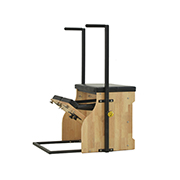
Pilates, on the other hand, was developed in the 20th century by Joseph Pilates. Originally designed to help athletes and dancers recover from injury, Pilates centers on core strength, stability, control, and proper alignment. It emphasizes precise, controlled movements rather than long holds. Many Pilates workouts use specialized equipment like the reformer, but mat Pilates is also widely popular. Pilates places less focus on spirituality and more on muscular endurance, posture, and functional fitness.
One of the biggest differences lies in their main goals. Yoga is excellent for improving flexibility, balance, and mindfulness. It can lower stress, calm the nervous system, and increase body awareness. Different styles cater to different needs: gentle yoga for relaxation, restorative yoga for recovery, and power yoga or vinyasa for a more intense cardio workout.
Pilates is ideal if you want to strengthen your core, improve posture, and tone your body without building bulky muscle. It targets deep abdominal muscles, the back, glutes, and pelvic floor—areas that support daily movement and help prevent back pain. Many people use Pilates for post-injury rehabilitation, post-pregnancy recovery, or to enhance performance in other sports.
When it comes to intensity and experience, both can be gentle or challenging. Yoga tends to be more accessible for complete beginners, with many classes focused on relaxation and basic stretching. Pilates often requires more focus on form and control, which can feel demanding at first, but becomes highly rewarding as you build strength.
So, should you choose yoga or Pilates?
Pick yoga if you:
Want to reduce stress and improve mental well-being
Prefer a practice with spiritual or mindful elements
Want better flexibility and balance
Enjoy slow, intentional movement or active flow sequences
Pick Pilates if you:
Want a stronger core and better posture
Need to recover from injury or support back health
Want long, lean muscle tone
Prefer structured, controlled movements over spiritual elements
The good news is you don’t have to choose only one. Many people enjoy combining yoga and Pilates for a balanced fitness routine: yoga for flexibility and mindfulness, Pilates for strength and stability.
Whether you choose yoga, Pilates, or a mix of both, the best practice is the one you enjoy and can stick with consistently. Both will help you move better, feel stronger, and live a healthier, more balanced life.