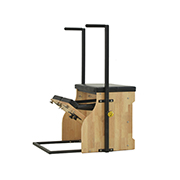
If you’re new to Pilates, the Pilates Long Box is an underrated tool that bridges the gap between mat work and reformer training, making it perfect for building foundational strength and flexibility without strain. Designed to support controlled, low-impact movements, the long box helps beginners master proper form while targeting deep core muscles, improving posture, and boosting spinal mobility—all key pillars of a sustainable Pilates practice.

Why Start with the Pilates Long Box?
Unlike high-intensity workouts, Pilates Long Box exercises prioritize control and precision, which is why they’re ideal for beginners. The box’s stable surface provides a secure base to practice alignment, reducing the risk of injury that can come with unguided mat work. It also allows for gradual progression: you can start with gentle stretches and build to more challenging core engagements as your strength improves. Whether you’re recovering from an injury, new to fitness, or simply looking to refine your Pilates fundamentals, the long box offers a safe, supportive path to progress.
3 Essential Beginner Exercises for the Pilates Long Box
1. Long Box Roll-Up
The roll-up is a classic Pilates move that targets the entire core while improving spinal articulation. Sit at the edge of the long box with legs extended, feet flexed. Inhale to lengthen your spine, then exhale to roll forward, vertebra by vertebra, reaching toward your toes. Inhale to hold, then exhale to roll back up to a seated position. Repeat 8–10 times, focusing on slow, controlled movement to engage your deep abdominal muscles.
2. Box Side Stretch
This exercise builds lateral core strength and improves side body flexibility. Sit sideways on the long box with one hand resting on the box for support. Inhale to lift your opposite arm overhead, then exhale to lean gently toward the box, stretching from your hip to your fingertips. Hold for 3 breaths, then return to start. Switch sides and repeat 5–6 times per side. Keep your spine long and avoid hunching to maximize the stretch.
3. Leg Pull Front (Modified)
A modified version of the reformer leg pull, this move strengthens the shoulders, core, and glutes. Kneel on the long box with hands placed shoulder-width apart on the floor in front of you. Extend one leg straight back, keeping it in line with your body. Inhale to stabilize, then exhale to lift the leg slightly higher, engaging your glutes and core. Lower slowly and repeat 8 times per leg. Keep your hips level and avoid arching your lower back.
Safety Tips for Beginners
Start slow: Prioritize form over speed or reps—rushing can lead to poor alignment and injury.
Listen to your body: If a movement causes sharp pain, stop immediately. Discomfort is normal, but pain is a warning sign.
Breathe: Inhale to prepare, exhale to exert—this helps stabilize your core and maintain control throughout each exercise.
Use a qualified instructor: If possible, take a beginner class to learn proper technique before practicing on your own.
Final Thoughts
The Pilates Long Box is more than just a piece of equipment—it’s a gateway to building a strong, flexible body that moves with ease. By starting with these beginner-friendly exercises and focusing on safe, intentional movement, you’ll lay the groundwork for a lifelong Pilates practice that supports your fitness goals, improves your posture, and enhances your overall well-being. Whether you’re training at home or in a studio, the long box is a versatile tool that grows with you, making it an essential addition to any beginner’s Pilates routine.