Embarking on a fitness journey as an overweight beginner can feel overwhelming—you may worry about joint pain, not knowing where to start, or feeling self-conscious. The good news? You don’t need intense workouts, fancy gym equipment, or extreme diets to make progress. The key is to start slow, prioritize safety, and choose low-impact movements that build strength, endurance, and confidence over time. This guide breaks down the best beginner-friendly workouts for overweight individuals, designed to be sustainable, effective, and kind to your body.

First, let’s set a crucial foundation: safety comes first. Before starting any workout routine, consult with your doctor to ensure it’s safe for your body, especially if you have joint issues, high blood pressure, or other health concerns. Remember, progress, not perfection, is the goal. Even 10 minutes of movement a day is better than nothing, and you’ll gradually build up to longer sessions.
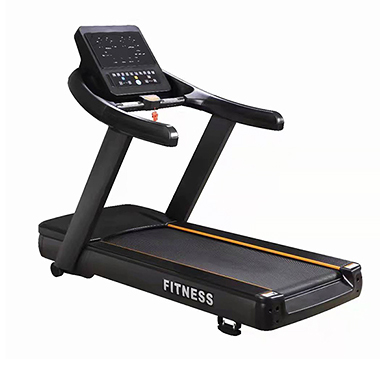
Low-impact cardio is your best friend as an overweight beginner. It gets your heart rate up without putting excessive stress on your knees, hips, and ankles—areas that often bear extra pressure with excess weight. The most accessible option is walking: it requires no equipment, can be done anywhere, and is easy to adjust to your pace. Start with 10-15 minute walks, 3-4 times a week, on soft surfaces like grass or a treadmill to reduce joint impact. As you build stamina, add 2-3 minutes per session until you reach 30 minutes of steady walking.
Another excellent low-impact cardio choice is swimming or water aerobics. Water’s buoyancy supports your body weight, reducing joint strain to nearly zero while providing gentle resistance to tone your muscles. Even a 20-minute session in the shallow end—walking, arm circles, or gentle kicks—can boost your cardio health without discomfort. If you don’t have access to a pool, stationary biking is a great alternative: adjust the resistance to a low setting and start with 10 minutes, gradually increasing duration.
Strength training is equally important, as building muscle helps boost your metabolism and support your joints. You don’t need heavy weights—bodyweight exercises or light resistance bands work perfectly for beginners. Try chair squats: stand in front of a sturdy chair, lower your body as if sitting down, and hold for a second before standing back up. Do 3 sets of 8-10 reps. Seated leg lifts and arm lifts (using water bottles as light weights) are also gentle on your body while strengthening key muscle groups.
Don’t forget to warm up and cool down. Spend 5-10 minutes warming up with gentle movements like arm circles, torso twists, or slow marching in place to increase blood flow and loosen muscles. After your workout, stretch for another 5-10 minutes—focus on your legs, hips, and shoulders—to reduce soreness and improve flexibility. Stay hydrated throughout, and avoid冰水 (ice water) or sugary drinks; opt for warm water or mineral water instead.
The biggest mistake beginners make is pushing too hard too soon. It’s okay to take breaks, modify exercises, and go at your own pace. Consistency is more important than intensity—even 3-4 short workouts a week will lead to noticeable changes over time, like increased energy, better mobility, and gradual weight loss. Remember, your fitness journey is unique, and every small step counts.
You don’t need to transform your body overnight. Start with these low-impact workouts, listen to your body, and celebrate every win—whether it’s walking an extra minute or completing a full set of exercises. Fitness is about progress, not perfection, and you have everything you need to start today.