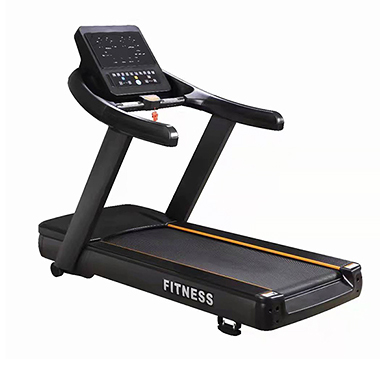
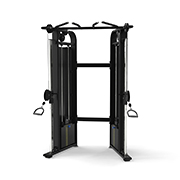
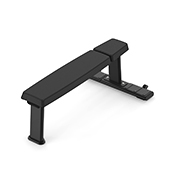
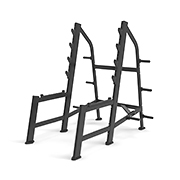
When it comes to fitness and weight loss, most people fall into two extremes: sticking only to long-duration cardio or ignoring aerobic exercise entirely and focusing solely on strength training. Many beginners have always wondered which one works better for fat loss and body shaping. The truth is, neither strength training nor cardio is absolutely perfect. Understanding their differences, fat-burning mechanisms and physical benefits can help you make a scientific workout plan and avoid blind training.

Cardio, such as running, cycling, swimming and jumping rope, is the first choice for most weight loss beginners. Its biggest advantage is that it burns a large number of calories during the workout in a short time. When you keep your heart rate in the fat-burning zone for 30 to 60 minutes, your body directly consumes fat and glycogen to supply energy. It is low in entry difficulty, does not require complex equipment, and is suitable for people who are just starting to exercise and have weak physical endurance. Besides, regular cardio can improve cardiopulmonary function, accelerate blood circulation, and reduce the risk of cardiovascular diseases, bringing obvious benefits to basic physical health.
However, pure aerobic exercise has obvious shortcomings. Long-term single cardio will not only easily make your body enter a weight loss plateau, but also cause muscle loss while burning fat. Once muscle mass decreases, the body’s basal metabolic rate will drop significantly. This means you will burn fewer calories when resting, and it is easy to rebound once you stop exercising. Moreover, cardio alone can only reduce weight but cannot shape muscle lines. Even if you lose weight, your body may still look flabby without a tight figure.
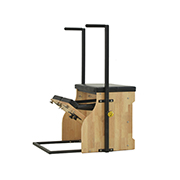
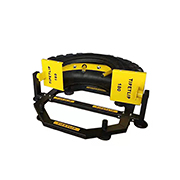
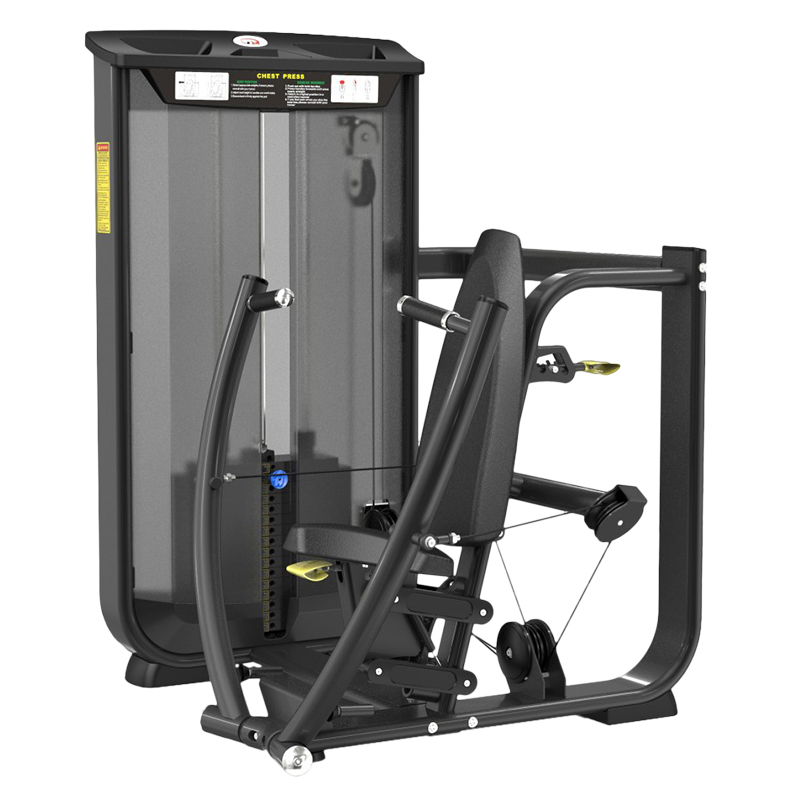
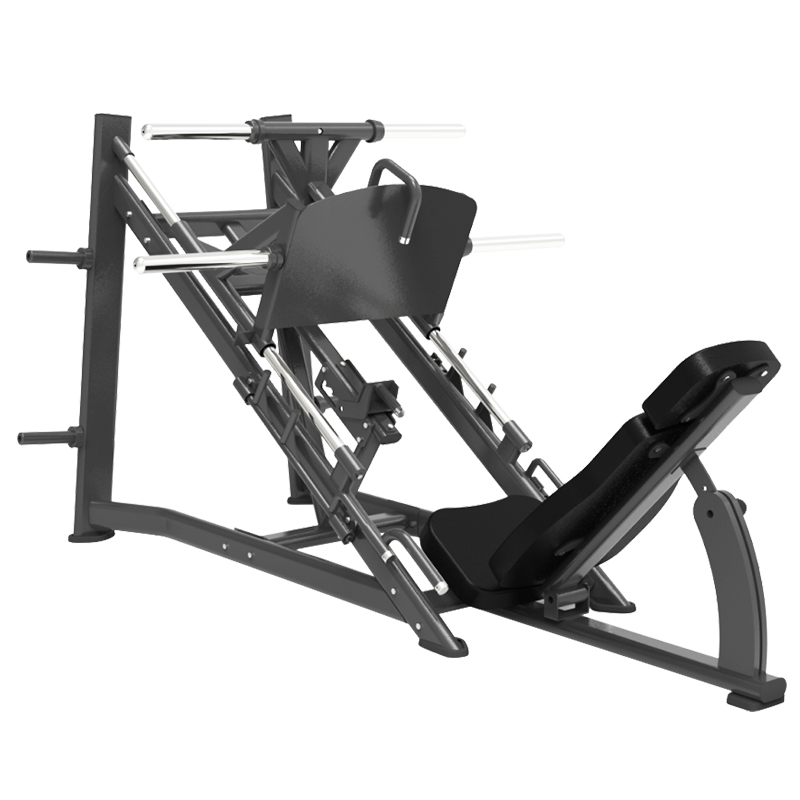
Strength training includes dumbbell, barbell, bodyweight training and resistance equipment exercise. Its core advantage lies in elevating basal metabolism permanently. Strength training stimulates muscle growth, and more muscle allows your body to burn calories automatically even when you are sitting or sleeping. This is the key to avoiding weight rebound. In addition, it can shape body curves, tighten the abdomen, legs and arms, and make your figure compact and stylish instead of just being thin.
The post-workout afterburn effect is another highlight of strength training. After high-intensity strength exercise, the body needs to consume extra calories to repair muscles and restore physical state, which keeps burning fat for hours after your workout ends. The only downside is that strength training has a slightly higher learning threshold. Beginners need to master standard movements first to avoid sports injuries.
For the best weight loss and fitness effect, choosing only one is not wise. The most scientific way is to combine strength training with cardio. Arrange 2 to 3 strength training sessions every week to maintain muscle mass and raise metabolism, and match with 2 moderate-intensity cardio sessions to assist rapid fat burning. No matter which way you choose, sticking to it and matching a reasonable diet is the core of successful weight loss.