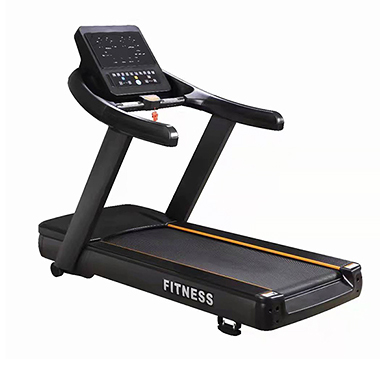
Many fitness lovers give up running easily just because they fear knee injuries. A large number of people firmly believe that long-distance running will inevitably hurt knees, which makes them stay away from this simple and effective cardio exercise. In fact, knee discomfort caused by running is never the fault of running itself, but wrong running postures, unsuitable sports equipment and unscientific training habits. Once you master the correct running methods, knee pain will no longer trouble you, and you can enjoy all the benefits running brings to your body.

First of all, standard running posture is the core to protect knees. Most beginners tend to lean forward too much, land heavily on their heels or stride excessively when running. These wrong movements will bring huge impact to knee joints every time they step on the ground. The correct running posture is to keep your upper body straight, slightly lean forward naturally, relax your shoulders and swing your arms steadily back and forth. Try to land lightly with the middle and front part of your feet, keep your steps small and fast, and control your stride within a reasonable range. This way can effectively buffer the ground impact and greatly reduce the pressure on knees and leg joints.
Secondly, choosing professional running shoes is an indispensable preparation. Ordinary casual shoes and flat-soled shoes lack sufficient shock absorption and support function. Running in these shoes for a long time will directly transfer ground vibration to knees, easily causing soreness and strain. It is necessary to select targeted running shoes according to your own foot type and running venue. Road running shoes with strong shock absorption are suitable for daily outdoor running, while stable support running shoes are more friendly for people with flat feet. Replacing worn-out running shoes in time can also effectively avoid unnecessary sports injuries.
Reasonable training plans are also vital to stay away from knee pain. Never pursue excessive running distance and speed blindly at the beginning. Fitness novices can adopt the combination mode of walking and running to let the knee joints and leg muscles gradually adapt to the exercise intensity. Do sufficient dynamic stretching before running to activate leg muscles, tendons and joints, and fully relax muscles with static stretching after running to relieve muscle tension. In addition, arrange rest days reasonably, avoid continuous high-intensity running, and match low-impact sports such as cycling and swimming to exercise physical fitness without hurting knees.
Maintaining stable core strength can also well protect knee health. Weak core muscles will lead to unstable body center of gravity during running, making knees bear more force. Usually, you can do simple strength training such as squat, glute bridge and leg lifting to strengthen the strength of legs, buttocks and core muscles. Strong muscle groups can form effective protection for knee joints, disperse running pressure, and make running movements more stable and labor-saving.
Running is one of the most cost-effective ways to keep fit. It can improve cardiopulmonary function, accelerate body metabolism, release daily pressure and shape a healthy body shape. There is no need to be overly anxious about knee injuries. As long as you correct your running posture, match proper sports equipment, arrange scientific training and pay attention to daily muscle maintenance, you can run easily and healthily. Put aside unnecessary worries, master the correct running skills, and start your healthy running journey freely.